
FDA Regulations for Healthcare Products: Key Insights Explained
In-Depth Examination of FDA Regulations Impacting Healthcare
Understanding the complexities of FDA regulations governing healthcare products is crucial for professionals working in the life sciences field. These regulations are meticulously designed to ensure that healthcare products meet stringent requirements for safety, efficacy, and security before they reach consumers. The Food and Drug Administration (FDA) in the United States plays a vital role in enforcing these standards, significantly affecting a wide array of stakeholders, including manufacturers, healthcare providers, and patients, who all rely on these regulations for quality assurance.
Complying with these regulations is more than just fulfilling a legal requirement; it is essential for gaining access to markets and protecting consumer health. For manufacturers, demonstrating strict compliance with FDA guidelines is often the key factor in securing the necessary licenses for product marketing. For consumers, this compliance reassures them that the products they use have undergone thorough testing and meet high safety standards. In a landscape where public health is paramount, a comprehensive understanding of these regulations can profoundly impact the success of healthcare innovations.
The scope of FDA regulations is vast, encompassing various healthcare products such as pharmaceuticals, medical devices, and biologics. Each category is governed by its own specific set of requirements and standards, necessitating a detailed understanding from both manufacturers and stakeholders. This multifaceted approach ensures that every product, whether a class I device like bandages or class III devices such as pacemakers, is meticulously evaluated for its associated risks and effectiveness.
The development of FDA regulations has a rich history characterised by flexibility and growth. Established in 1906 with the enactment of the Pure Food and Drugs Act, the FDA has undergone significant changes to keep pace with scientific advancements and evolving public health needs. Over time, landmark legislation such as the Food, Drug, and Cosmetic Act of 1938 has been introduced, granting the FDA broad authority. This regulatory framework continues to adapt in response to emerging technologies, emphasising the need for ongoing education and flexibility among healthcare practitioners and manufacturers.
The enforcement of FDA regulations is a stringent process that includes inspections, product recalls, and legal actions. The FDA evaluates compliance and conducts investigations into potential violations to safeguard public health. This proactive approach ensures the integrity of healthcare products is maintained, thereby protecting consumers from potential harm.
Understanding the Framework of FDA Regulations in Healthcare

FDA regulations provide a detailed framework of rules established to guarantee that healthcare products are both safe and effective for public use. These regulations are essential for maintaining the integrity of the healthcare system, covering various aspects from drug approvals to the manufacturing processes of medical devices.
At their core, understanding FDA regulations for healthcare products means recognising their critical role in safeguarding consumers from potentially hazardous products. For instance, new drugs undergo rigorous testing and clinical trials mandated to affirm their efficacy before they can be marketed. This level of regulatory oversight is vital for fostering public confidence in the safety and effectiveness of healthcare products.
Healthcare products are categorised based on their risk levels, which dictate the extent of regulatory scrutiny they face. Low-risk products, such as band-aids, may experience less rigorous approval processes compared to high-risk items like surgical implants. This classification system streamlines regulatory efforts and allocates resources more effectively, ensuring that critical healthcare innovations are monitored for safety and efficacy.
The Paramount Importance of Compliance with FDA Regulations
Adhering to FDA regulations is not just advisable; it is a fundamental necessity for any organisation engaged in the development or distribution of healthcare products. Manufacturers must comply strictly with these regulations to gain market access, ensuring that their products are safe and effective for consumer use. The consequences of non-compliance can be severe, leading to hefty fines, product recalls, and significant damage to an organisation’s reputation.
For healthcare professionals, understanding and adhering to these regulations is equally critical. Healthcare providers need to be aware of which products have undergone the necessary regulatory scrutiny since this directly affects patient safety. Moreover, compliance mitigates potential legal liabilities associated with using unapproved or unsafe products.
Additionally, fostering compliance cultivates a quality assurance culture within organisations. By prioritising adherence to regulations, companies create an environment that constantly evaluates and improves their processes, ultimately benefiting consumers and enhancing brand reputation. A commitment to compliance should resonate throughout every level of an organisation, from research and development through to marketing.
Examining the Extensive Range of FDA Regulations
The breadth of FDA regulations is extensive, addressing a multitude of healthcare products. This comprehensive coverage includes pharmaceuticals, medical devices, biologics, and food products, all of which are subject to rigorous standards designed to protect public health. Each product category is associated with unique requirements that reflect its specific risks and benefits.
For example, pharmaceuticals must navigate a stringent drug approval process that involves both preclinical and clinical trials to gather detailed data on safety and efficacy. Medical devices follow a similar trajectory, with requirements tailored to their specific classifications. Manufacturers of higher-risk devices must provide thorough evidence of safety and effectiveness before their products can be marketed.
Biologics, which encompass a variety of products such as vaccines and blood products, are also subject to strict regulations. The FDA provides clear guidelines for their development and manufacturing processes, ensuring that these products are produced safely and effectively. This holistic regulatory approach supports high standards of care throughout the healthcare system, making it essential for all stakeholders to possess a comprehensive understanding of the regulations relevant to their products.
Tracing the Historical Evolution of FDA Regulations
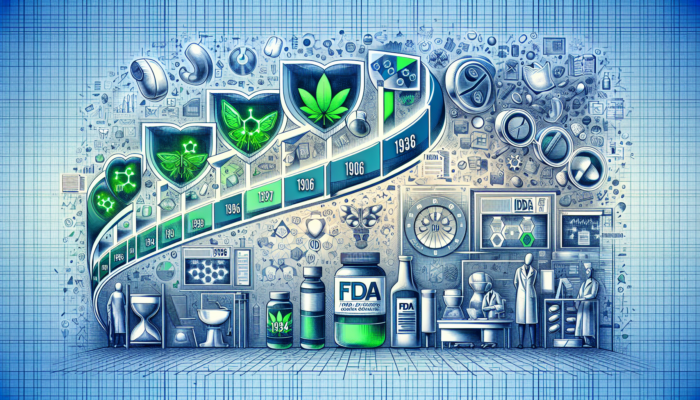
The historical journey of FDA regulations is marked by significant milestones that reflect the changing landscape of public health and scientific advancement. Established in the early 20th century, the FDA’s initial focus was to combat widespread issues of adulterated food and drugs. The introduction of the Pure Food and Drugs Act of 1906 laid the groundwork for what would evolve into a complex regulatory framework.
As medical science progressed, new products emerged, necessitating more robust regulatory measures. The Food, Drug, and Cosmetic Act of 1938 marked a significant turning point, granting the FDA authority to oversee not only food and drugs but also cosmetics. This act introduced the requirement for pre-market approval of new drugs, fundamentally transforming the pharmaceutical regulation landscape.
Over the decades, the FDA has continuously adapted its regulations in response to emerging health crises and innovations. The introduction of the Orphan Drug Act in 1983 aimed to encourage the development of treatments for rare diseases, while the Biologics Control Act of 1902 laid the foundation for regulating vaccines and blood products. These historical developments highlight the FDA’s unwavering commitment to public health and safety, reinforcing the importance of understanding FDA regulations for healthcare products in today’s context.
Comprehending the Enforcement Mechanisms of FDA Regulations
The enforcement of FDA regulations is crucial for maintaining public health standards. The FDA employs various strategies to ensure compliance among manufacturers and healthcare providers, including routine inspections, product recalls, and legal actions against entities that violate regulations.
Inspections serve as a proactive measure by the FDA to evaluate manufacturing facilities and ensure adherence to Good Manufacturing Practices (GMP). These inspections are essential for identifying potential non-compliance issues before they escalate, thereby protecting consumer interests. When violations are detected, the FDA has the authority to initiate recalls of unsafe products, swiftly addressing any immediate threats to public health.
Legal actions may also be pursued against companies that fail to comply with regulatory requirements. Such legal consequences can lead to substantial fines and reputational damage, serving as a deterrent to other manufacturers. This rigorous enforcement approach not only protects consumers but also reinforces the importance of compliance throughout the industry.
Understanding the enforcement mechanisms employed by the FDA is essential for all stakeholders in the healthcare sector. It underscores the critical need for ongoing vigilance and adherence to regulations, ensuring that public health remains a top priority. By fostering a culture of compliance, the industry can contribute to a safer healthcare environment for everyone.
Prominent Regulatory Bodies Overseeing Healthcare in the UK
In the United Kingdom, the regulation of healthcare products is managed by several key bodies, each playing an integral role in ensuring the safety and efficacy of healthcare offerings. A thorough understanding of the landscape of these regulatory bodies is vital for any organisation involved in the healthcare sector.
Medicines and Healthcare Products Regulatory Agency (MHRA): The UK’s Leading Regulatory Authority

The Medicines and Healthcare Products Regulatory Agency (MHRA) serves as the primary regulatory authority in the UK, tasked with ensuring that medicines and medical devices are both safe and effective. Established in 2003, the MHRA operates under the auspices of the Department of Health and Social Care, focusing on protecting public health.
The responsibilities of the MHRA encompass licensing new medicines, monitoring their safety post-marketing, and regulating medical devices. The agency conducts thorough assessments of clinical trial applications and marketing authorisations, ensuring that products meet exacting safety standards. Their regulatory framework is comparable to that of the FDA, providing a robust system for evaluating the safety and efficacy of healthcare products.
Beyond licensing, the MHRA plays a crucial role in post-market surveillance. This involves monitoring the safety of medicines and devices once they are available for consumer use, allowing for prompt action in the event of adverse reactions or product failures. By maintaining a proactive approach to safety, the MHRA significantly contributes to public health within the UK.
Care Quality Commission (CQC): Upholding Quality in Health and Social Care Services
The Care Quality Commission (CQC) functions as an independent regulator responsible for monitoring, inspecting, and regulating health and social care services across England. The CQC’s mission is to ensure that services meet essential quality and safety standards, concentrating on the care and treatment received by patients.
While the MHRA oversees product safety, the CQC focuses on the quality of care provided by healthcare services. This dual approach guarantees that not only are the products used safe, but also that the environments in which they are administered uphold high standards.
The CQC performs regular inspections and publishes reports on its findings, thereby informing the public about the quality of services in their locality. By holding healthcare providers accountable, the CQC enhances consumer confidence and promotes elevated standards of care across the system.
National Institute for Health and Care Excellence (NICE): Guiding Healthcare Treatments in the UK
The National Institute for Health and Care Excellence (NICE) plays a critical role within the UK healthcare landscape by providing guidance on the clinical and cost-effectiveness of healthcare treatments. NICE’s mandate is to assess new treatments and technologies, ensuring that they deliver value for money within the NHS.
NICE evaluates the efficacy of treatments based on thorough evidence-based research, making recommendations that influence which products are made available through the NHS. This process involves systematic reviews of clinical evidence, economic evaluations, and consultations with stakeholders, ensuring that patients receive treatments that are not only effective but also economically viable.
By offering clear guidelines, NICE assists in standardising care across the NHS, reducing variations in treatment and ensuring equitable access to high-quality healthcare services. Their recommendations are instrumental in shaping healthcare policy and practice throughout the UK.
Crucial UK Legislation Governing Healthcare Products
The regulatory environment within the UK is governed by a variety of key legislation that delineates the standards for the licensing, manufacture, and distribution of healthcare products. Gaining an understanding of this legislation is crucial for compliance and for guaranteeing the safety of products available in the market.
Human Medicines Regulations 2012: A Comprehensive Framework for Medicines
The Human Medicines Regulations 2012 represent a cornerstone piece of legislation governing the licensing, manufacture, and distribution of medicines in the UK. This thorough framework consolidates and updates previous regulations, ensuring clarity and consistency throughout the regulatory process.
According to these regulations, all medicines must undergo a stringent approval process before they can be marketed in the UK. This process involves submitting detailed information about the medicine, including its safety, efficacy, and quality. The MHRA evaluates this information to determine whether the medicine can be granted marketing authorisation.
In addition to initial approvals, the regulations stipulate requirements for post-marketing surveillance, ensuring that any adverse effects are monitored and addressed promptly. This ongoing oversight is critical for maintaining public confidence in the safety of medicines and protecting patients from potential harm.
Medical Devices Regulations 2002: Ensuring Safety and Performance Standards
The Medical Devices Regulations 2002 outline the requirements for the safety and performance of medical devices in the UK. These regulations apply to a broad spectrum of products, from simple devices like tongue depressors to sophisticated equipment such as MRI machines.
Similar to the process for medicines, manufacturers of medical devices must demonstrate compliance with safety and performance standards prior to their products entering the market. This includes conducting clinical evaluations and risk assessments to verify that devices are safe for use.
The regulations also encompass post-market surveillance, mandating that manufacturers monitor their devices for potential safety issues after they have received approval. This proactive strategy ensures that any emerging risks can be identified and addressed swiftly, thereby safeguarding patient safety.
Clinical Trials Regulations: Upholding Ethical Standards in Research Practices
Clinical Trials Regulations are vital for ensuring the ethical conduct of clinical trials within the UK. These regulations establish rigorous guidelines to protect participants involved in trials, ensuring that their rights and well-being are prioritised throughout the research process.
Before commencing a clinical trial, sponsors must submit a Clinical Trial Application that details the study’s design, objectives, and methodologies. The MHRA assesses these applications to confirm they meet ethical and scientific standards. This oversight is crucial for protecting participants and ensuring that any potential risks are adequately managed.
Once trials are initiated, ongoing monitoring is necessary to maintain compliance with the regulations. This includes regular reporting of any adverse events or modifications to the study protocol. By adhering to these stringent standards, the Clinical Trials Regulations bolster the credibility of research findings and enhance public trust in the development of new treatments.
Decoding the Product Approval Process in Healthcare
Understanding the product approval process is essential for stakeholders involved in the development and marketing of healthcare products. This process varies across different product types but typically consists of several key stages designed to ensure both safety and efficacy.
Pre-Market Approval (PMA): Stringent Standards for High-Risk Medical Devices
Pre-Market Approval (PMA) is a critical requirement for high-risk medical devices, ensuring these products demonstrate safety and effectiveness prior to market entry. The PMA process involves a comprehensive evaluation by the FDA or the MHRA, depending on the jurisdiction.
Manufacturers must submit extensive data, including clinical trial outcomes and information concerning product design and manufacturing processes. This data undergoes rigorous examination to determine whether the device meets the necessary safety and effectiveness criteria. The time-intensive nature of this process underscores the importance of thorough preparation and meticulous attention to detail from manufacturers.
Once a device receives PMA, it remains subject to ongoing post-market monitoring to ensure continued safety and effectiveness. This includes reporting any adverse events and conducting regular safety audits. By adhering to the PMA process, manufacturers not only protect consumers but also cultivate trust in their products within the healthcare community.
Marketing Authorisation (MA): Legal Framework for New Medicines
Marketing Authorisation (MA) is indispensable for the legal marketing of new medicines in the UK. This process necessitates that manufacturers submit a comprehensive application detailing the safety, efficacy, and quality of the medicine. The application is scrutinised by the MHRA, which assesses the data to determine whether the product can be granted MA.
In addition to the initial assessment, ongoing post-marketing surveillance is required to monitor the medicine’s safety and effectiveness once it is available to the public. This involves collecting data on adverse reactions and reporting them to the relevant authorities. Proactive monitoring of medicines post-approval is a critical component of ensuring continued consumer safety.
The MA process not only guarantees that new medicines meet rigorous standards but also bolsters public confidence in the healthcare system. By comprehending the requirements for MA, stakeholders can navigate the complexities of regulatory compliance and contribute to safer healthcare practices.
Post-Market Surveillance (PMS): Ongoing Monitoring of Healthcare Products
Post-Market Surveillance (PMS) constitutes an ongoing process that involves monitoring the safety and effectiveness of healthcare products after they have been approved for use. This essential phase of the product lifecycle is pivotal for identifying any potential issues that may arise once products reach the market.
Both the FDA and MHRA mandate that manufacturers engage in PMS activities, which may encompass collecting data on adverse events, conducting safety audits, and implementing risk management strategies. The objective of PMS is to ensure that any emerging safety concerns are addressed promptly, thereby safeguarding public health.
Beyond regulatory requirements, PMS can also yield valuable insights for manufacturers. By analysing post-market data, companies can pinpoint trends and areas for enhancement, thereby improving product quality and safety. This continuous feedback loop is vital for maintaining high standards and fostering consumer trust in healthcare products.
Ensuring Compliance and Quality Assurance in Healthcare
Complying with regulatory standards is essential for ensuring the quality and safety of healthcare products. This commitment involves implementing robust quality assurance practices that encompass all facets of product development and manufacturing.
Good Manufacturing Practice (GMP): Guaranteeing Consistent Quality
Good Manufacturing Practice (GMP) represents a fundamental principle in the production of healthcare products, ensuring they are consistently manufactured and controlled according to stringent quality standards. GMP outlines the processes and procedures necessary to minimise risks and guarantee product quality.
Compliance with GMP necessitates rigorous documentation, regular audits, and continuous training of personnel. Manufacturers are required to develop and maintain a quality management system that encompasses all aspects of operations, from raw material sourcing to final product distribution. This comprehensive approach assists in mitigating risks and ensuring public safety.
By adopting GMP principles, organisations can strengthen their reputation within the healthcare community and foster consumer confidence in their products. Compliance with GMP not only satisfies regulatory requirements but also promotes a culture of quality and excellence within the organisation.
Good Clinical Practice (GCP): Ethical Guidelines for Conducting Clinical Trials
Good Clinical Practice (GCP) guidelines are crucial for ensuring the ethical and scientific quality of clinical trials. GCP provides a framework for designing, conducting, and reporting clinical research, prioritising the rights and safety of participants.
Compliance with GCP involves obtaining informed consent from participants, ensuring transparency in the reporting of results, and adhering to regulatory requirements. GCP guidelines are crafted to protect the integrity of the research process, ensuring that findings are credible and can be relied upon for clinical decision-making.
By following GCP principles, researchers can enhance the quality of their studies and contribute to the advancement of medical knowledge. This dedication to ethical research practices not only benefits participants but also bolsters public trust in the healthcare system.
Quality Management Systems (QMS): Promoting Operational Excellence
Quality Management Systems (QMS) are integral to managing and improving quality in the production of healthcare products. A robust QMS encompasses all organisational processes, ensuring that products meet regulatory standards and consumer expectations.
Implementing a QMS involves establishing clear procedures, conducting regular audits, and initiating continuous improvement efforts. By fostering a culture of quality, organisations can enhance operational efficiency and reduce the likelihood of non-compliance. A well-functioning QMS not only meets regulatory requirements but also supports business success by ensuring customer satisfaction and loyalty.
By prioritising quality management, organisations position themselves as leaders in the healthcare sector, reinforcing their commitment to safety and efficacy. A proactive approach to quality assurance is essential for maintaining high standards and protecting public health.
Labeling and Packaging Standards: Safeguarding Consumer Safety
Accurate and compliant labelling and packaging are vital components of healthcare product regulation. These elements play a crucial role in ensuring that consumers receive the necessary information for the safe and effective use of products.
Labeling Standards: Providing Essential Information to Consumers
Labeling standards for healthcare products are designed to provide clear and comprehensive information to consumers. Labels must include essential details such as product ingredients, dosage instructions, and safety warnings, enabling users to make informed decisions regarding their health.
Adhering to labeling standards is obligatory for all healthcare products, as inaccurate or misleading information can lead to misuse and adverse health outcomes. Regulatory authorities, including the FDA and MHRA, enforce stringent guidelines to ensure labels are accurate and informative.
Beyond regulatory compliance, effective labeling enhances consumer trust and satisfaction. By providing clear and concise information, manufacturers can cultivate a positive relationship with their customers, promoting responsible product use. Understanding labeling standards is vital for stakeholders involved in product development and marketing.
Packaging Regulations: Protecting Product Integrity
Packaging regulations are critical for ensuring the safety and integrity of healthcare products during transport and storage. Packaging must protect products from contamination, damage, and degradation, while complying with environmental and safety standards.
Manufacturers bear the responsibility of selecting appropriate packaging materials that meet regulatory requirements. This includes using materials safe for contact with healthcare products and designing packaging that is tamper-evident and child-resistant where necessary.
By adhering to packaging regulations, manufacturers can ensure that their products remain safe and effective from production to point of sale. This commitment to compliance not only protects consumers but also enhances brand reputation within the healthcare sector.
Instructions for Use (IFU): Guiding Consumer Interaction with Products
Instructions for Use (IFU) represent a critical aspect of product labeling, providing consumers with detailed guidance on how to use the product safely and effectively. IFUs must be clear, comprehensive, and easily accessible, ensuring that users can understand how to operate the product without confusion.
Compliance with IFU requirements is essential for all healthcare products, as inadequate instructions can lead to misuse and potential harm. Regulatory authorities frequently mandate that IFUs be included with products and that they adhere to specific formatting and content guidelines.
By delivering clear and concise IFUs, manufacturers enhance customer satisfaction and safety, ultimately promoting responsible product use. Recognising the significance of IFUs is crucial for stakeholders engaged in product development and marketing, as it directly influences consumer trust and product efficacy.
Storage and Handling Guidelines: Preserving Product Quality
Storage and handling guidelines are crucial for preserving the integrity and safety of healthcare products. These guidelines provide instructions on how to store and transport products to prevent contamination, damage, and degradation.
Compliance with storage and handling regulations is vital for all healthcare products, as improper storage can compromise quality and effectiveness. Manufacturers must ensure that guidelines are clear and readily available to consumers, allowing them to maintain optimal product conditions.
By prioritising proper storage and handling, manufacturers protect consumers and enhance trust in their products. Understanding the importance of these guidelines is essential for stakeholders in the healthcare sector, as it directly impacts product quality and safety.
Documentation and Reporting: A Cornerstone of Regulatory Compliance
Effective reporting and documentation form the backbone of compliance with healthcare regulations. Manufacturers and stakeholders must maintain comprehensive records to demonstrate adherence to regulatory requirements and ensure transparency in their operations.
Adverse Event Reporting: Protecting Consumer Safety
Adverse event reporting is a crucial process that mandates manufacturers to report any incidents associated with their products. This practice is vital for identifying potential safety issues and ensuring that consumers are protected from harm.
Regulatory authorities, such as the FDA and MHRA, require manufacturers to establish systems for monitoring and reporting adverse events. This includes collecting data on incidents, conducting investigations, and implementing corrective actions where necessary. By swiftly addressing safety concerns, organisations can mitigate risks and uphold public trust.
Recognising the importance of adverse event reporting is critical for stakeholders in the healthcare sector. It not only protects consumers but also facilitates continuous improvement initiatives within organisations, ensuring that products remain safe and effective.
Record Keeping: Ensuring Accountability and Transparency
Detailed record keeping is indispensable for demonstrating compliance with regulatory requirements. Manufacturers must maintain thorough documentation that outlines all aspects of product development, including clinical trials, manufacturing processes, and adverse event reports.
Regulatory bodies often require organisations to retain records for specified durations, ensuring that data is available for audits and inspections. Effective record keeping fosters transparency and accountability, enabling organisations to provide evidence of compliance when necessary.
By prioritising meticulous record keeping, organisations can enhance their operational efficiency and cultivate a culture of compliance. Understanding the significance of documentation is essential for stakeholders in the healthcare sector, as it directly influences regulatory success and public confidence.
Common Queries Regarding FDA and UK Regulations
What are FDA regulations?
FDA regulations are comprehensive standards established by the Food and Drug Administration to ensure the safety, efficacy, and security of healthcare products, including drugs, medical devices, and biologics.
Why is compliance with FDA regulations important?
Compliance is essential for market access, consumer safety, and maintaining public trust in healthcare products. Non-compliance can lead to legal issues, product recalls, and reputational damage.
What is the role of the MHRA in the UK?
The MHRA regulates medicines and medical devices in the UK, ensuring that products are safe, effective, and of high quality before reaching consumers.
What does the product approval process entail?
The product approval process includes several stages, such as pre-market approval for high-risk devices, marketing authorisation for new medicines, and ongoing post-market surveillance.
What are Good Manufacturing Practices (GMP)?
GMP are guidelines ensuring that products are consistently produced and controlled according to quality standards, thereby minimising risks and ensuring product safety.
What are Instructions for Use (IFU)?
IFU are detailed guidelines provided with healthcare products, outlining how to use the product safely and effectively to prevent misuse and potential harm.
What is post-market surveillance (PMS)?
PMS is an ongoing process that involves monitoring the safety and effectiveness of healthcare products after they have been approved for use, identifying any emerging risks.
How does the CQC contribute to healthcare regulation?
The CQC monitors, inspects, and regulates health and social care services in England, ensuring they meet essential quality and safety standards for patients.
What are the consequences of non-compliance with regulations?
Non-compliance can lead to significant legal penalties, product recalls, and loss of market access, ultimately damaging an organisation’s reputation and consumer trust.
Why is record keeping important in healthcare regulation?
Record keeping is essential for demonstrating compliance with regulatory requirements, ensuring transparency, and providing evidence during audits and inspections.
Originally posted 2025-04-21 14:14:00.



I found your overview on FDA regulations really enlightening, especially how it highlights the balance between regulatory compliance and consumer safety. It’s interesting to consider how these standards not only protect consumers but also shape innovation in the life sciences field. For instance, recent advancements in digital health technologies, like telemedicine and wearables, face unique regulatory challenges. As manufacturers navigate these evolving landscapes, I’m curious about how they will balance speed to market with the rigorous testing and approval processes that the FDA requires. Have you seen any examples where companies successfully innovated within these regulatory frameworks? It would be great to discuss how we can inspire a culture of creative compliance in this industry.
It’s great to hear that you found the discussion on FDA regulations thought-provoking. The relationship between consumer safety and regulatory compliance is indeed fascinating, especially as we witness rapid advancements in digital health technologies. One area where companies have navigated this balance effectively is in the realm of software as a medical device (SaMD).
It’s refreshing to see someone highlight the interplay between regulatory compliance and innovation in the life sciences. Digital health technologies, like telemedicine and wearables, really do bring interesting challenges to the table. These advancements hold incredible potential, yet the path to market can be murky when it comes to regulations.
You’ve touched on a vital point. The balance between regulatory compliance and innovation can feel like a tightrope walk, especially in the fast-paced world of digital health. Telemedicine and wearables offer so much promise, yet the regulations often seem to lag behind the technology.
You raise an important point about the significance of FDA regulations in ensuring that healthcare products meet rigorous standards. As someone who has worked in the pharmaceutical sector, I’ve seen firsthand how compliance can not only impact market access but also foster innovation. For instance, companies often invest heavily in research and development to meet FDA standards, which can lead to breakthroughs in treatment options.
You’ve really hit on a crucial point about the FDA’s role in healthcare. It’s fascinating how their regulations not only boost consumer trust but also shape the entire landscape of healthcare innovation. For instance, take the rapid development of mRNA vaccines during the pandemic—seeing how the FDA adjusted its processes to ensure timely yet thorough reviews was enlightening.
You’ve raised some really interesting points about the FDA’s role in shaping healthcare. The mRNA vaccines are a perfect example of how regulatory bodies can adapt and respond to public health crises. It was remarkable to see how quickly the FDA streamlined its processes without sacrificing safety. It really highlighted the balance they had to strike between urgency and thoroughness.
You’ve raised some really interesting points about the FDA’s role in shaping healthcare. The mRNA vaccines are indeed a perfect example of how regulatory bodies can adapt and respond to public health crises. The speed at which they moved was unprecedented, but it’s comforting to know that safety wasn’t sidelined in the process.
You’ve pointed out some key aspects of the FDA’s response to the pandemic. It’s fascinating how the mRNA vaccines showcased a blend of urgency and rigor, proving that regulatory bodies can balance speed with safety when needed. However, it raises questions about the FDA’s usual pace in non-crisis times. Why does it take so long to greenlight other treatments that might help with chronic conditions? The rapid rollout of the vaccines might set a precedent, but it shouldn’t overshadow the need for a consistent, patient-centered approach across the board. It feels like we’ve seen the system’s potential, so what happens next is crucial. Can the FDA maintain this level of responsiveness in the future, or will it slip back into a slower rhythm? It’s worth keeping an eye on.
You bring up such an important point about the FDA’s role in fostering innovation while ensuring safety. The mRNA vaccines are a perfect example of how regulatory bodies can adapt in times of crisis. It’s interesting to think about how this experience might influence future regulatory approaches, especially with emerging technologies like gene editing and personalized medicine.
Navigating the complex landscape of FDA regulations truly underscores the delicate balance between innovation and safety in the healthcare sector. As someone who has witnessed the intersection of science and regulatory affairs firsthand, I appreciate how critical it is for both manufacturers and providers to prioritize compliance, not just as a necessity, but as a commitment to public health and trust.
You bring up a crucial aspect of the healthcare landscape that often goes unnoticed in broader conversations — the balance between innovation and safety. It’s fascinating how the interplay of science and regulatory affairs forms the backbone of a system that ultimately serves the public. Those of us who have spent time in the trenches of healthcare know just how vital it is for manufacturers and providers to embrace compliance not just as a regulatory issue, but as a matter of ethical responsibility.
Your detailed exposition on FDA regulations in healthcare resonates deeply with me, particularly because of the complexities involved in ensuring safety and efficacy throughout the lifecycle of health products. As someone who has worked in biopharmaceuticals, I’ve experienced firsthand the rigorous processes that companies must navigate to achieve FDA approval. The emphasis on compliance isn’t just a regulatory hurdle; it truly shapes the landscape of innovation in our industry.
Your insights on the critical role of FDA regulations in ensuring product safety resonate deeply with me. As someone who has navigated the complexities of healthcare compliance, I’ve witnessed firsthand how these regulations shape not only the marketplace but also the trajectory of innovation in the life sciences sector.
It’s fascinating how the FDA’s regulations not only impact manufacturers but also shape consumer trust in healthcare products. I’ve seen firsthand how a culture of compliance can foster innovation. For instance, companies that prioritize regulatory standards often find themselves at the forefront of technological advancements, as they have to stay ahead of both regulations and consumer expectations.
Your exploration of FDA regulations emphasizes a critical aspect of the healthcare landscape that often goes unnoticed by the general public. I appreciate how you’ve highlighted the balance between regulatory compliance and consumer safety — it’s a testament to the delicate interplay between innovation and protection in the life sciences industry.
Your exploration of the complexities of FDA regulations sheds light on a critical aspect of the healthcare landscape that often gets overshadowed by more immediate concerns like treatment options and patient outcomes. It’s fascinating to think about how these regulations don’t just serve as a gatekeeper but also as a framework that upholds the integrity of the entire healthcare system.
I really appreciate your in-depth exploration of FDA regulations and their crucial role in the healthcare landscape. It’s fascinating—yet somewhat daunting—how much oversight goes into ensuring the safety and efficacy of the healthcare products we often take for granted.
Your post really captures the intricate relationship between FDA regulations and the healthcare landscape, and it got me reflecting on just how these regulations shape not only market dynamics but also public perception of safety in healthcare products. It’s fascinating to consider the balance the FDA must strike between encouraging innovation and ensuring patient safety. For instance, the emergence of virtual health technologies, including telemedicine platforms and at-home diagnostic tools, raises questions about how these regulations might evolve to keep pace with advancements in technology while maintaining high safety standards.
Your insightful examination of FDA regulations truly sheds light on the intricate balance that must be maintained between innovation and consumer safety in the healthcare sector. As someone who has worked in the life sciences field, I can attest to the profound impact these regulations have on the development and distribution of healthcare products. They not only serve as a safeguard for patients but also provide a framework that ensures manufacturers prioritize quality.
I found your examination of FDA regulations really resonates with what many of us in the healthcare and life sciences sectors often grapple with. It’s fascinating how these regulations, while sometimes seen as obstacles, are actually fundamental to nurturing a culture of safety and efficacy in healthcare products. I remember when I was part of a team developing a new medical device, and the amount of paperwork and trial procedures we had to go through was overwhelming at times. But looking back, it’s quite clear that every step was a necessary hurdle to ensure that the device would be safe for patient use.
Your analysis of FDA regulations highlights a crucial aspect of the healthcare landscape that often goes unnoticed. The impact of these regulations extends far beyond compliance; they foster a sense of trust between consumers and the complex world of healthcare products. As someone who has worked in a healthcare startup, I’ve seen firsthand how meticulous adherence to FDA guidelines can shape product development. It not only influences the timeline for bringing innovative drugs or devices to market but also sets a standard for ethical practices within the industry.
It’s interesting to see how the FDA’s regulations extend beyond mere compliance and into the realm of trust between manufacturers and consumers. I often think about how these regulations shape not just product safety but also innovation in healthcare. For instance, with the rise of digital health technologies and telemedicine, navigating the regulatory landscape becomes increasingly complex. Companies are not just focused on meeting safety and efficacy standards but also on ensuring user data privacy and security. This evolving challenge makes the role of the FDA even more vital.
The role of FDA regulations in healthcare cannot be understated, and your examination brings to light some vital considerations that resonate deeply with many stakeholders in the industry. Navigating the complexities of these regulations is indeed a daunting task for manufacturers, healthcare providers, and even patients. I find it particularly interesting how the balance between ensuring public safety and fostering innovation can often feel like a tightrope walk.
You’ve touched on a really important aspect of the FDA’s role that often gets overlooked. The balancing act between safety and encouraging innovation can feel like you’re walking on a tightrope, especially in a world where technology and new treatments are evolving at lightning speed.
Your exploration of FDA regulations brings to light a crucial aspect of healthcare that often goes unnoticed by those outside the industry. As someone who’s worked in healthcare technology, I’ve seen firsthand how these regulations shape not just product development but also the innovations that emerge from it.
This topic really shines a light on just how tangled the web of compliance can get! It’s almost like a game of regulatory Twister—left hand on “efficacy,” right foot on “safety,” and hold your breath for “security!” It’s interesting to think about how consumer trust hinges on these regulations. I mean, who wouldn’t want to trust that their new miracle supplement hasn’t been sprinkled with pixie dust rather than comprehensively tested?
I really appreciate how you’ve laid out the complexities of FDA regulations and their profound impact on various stakeholders in the healthcare industry. It’s so easy to overlook the behind-the-scenes mechanisms that ensure our medicines and treatments are safe and effective. I’ve worked in the health tech sector for a few years, and I’ve seen firsthand how these regulations can make or break a product’s success in the market.
Your exploration of FDA regulations and their implications in the healthcare landscape touches on a critical yet often overlooked aspect of the life sciences field. It is indeed essential for those of us engaged in or affected by healthcare to comprehend not only the necessity of such regulations but also the nuances and challenges that come with them.
I really appreciate how you highlighted the intricate balance the FDA has to strike between ensuring safety and fostering innovation in healthcare. It’s interesting to think about the continual evolution of these regulations as technology advances, especially with the rise of digital health products and telemedicine. For instance, how do you see the FDA adapting its approach to regulate things like AI-driven health apps or personalized medicine? It seems like a challenge to maintain rigorous standards while also encouraging the kind of rapid innovation that could significantly improve patient outcomes. I’d love to hear thoughts on how this might affect future compliance for manufacturers or even the experience for patients using these new technologies.
Your examination of FDA regulations offers a compelling insight into the intricate balance between regulation and innovation in the healthcare sector. One aspect that particularly resonates with me is the emphasis on the interplay between compliance and market access. In certain cases, this relationship can create an environment that may stifle innovation, as companies, especially smaller ones or startups, might struggle to navigate the regulatory maze. The costs and resources required to meet FDA standards can sometimes be a significant barrier to entry, which in turn may limit the diversity of products available to consumers and stifle competition.
Your exploration of FDA regulations in healthcare really highlights an often complex and intricate landscape that many may overlook. The rigorous standards set forth by the FDA are indeed foundational, not just for ensuring the safety and efficacy of healthcare products but also for fostering trust between manufacturers, healthcare providers, and patients.
Your examination of FDA regulations and their profound impact on the healthcare landscape resonates strongly with my experiences in the life sciences sector. It’s noteworthy how these regulations, while often seen as barriers, also serve as essential frameworks that foster innovation and protect the public’s health.
Your perspective on FDA regulations really captures the complex relationship we navigate in the life sciences sector. It’s interesting to consider how these regulations can initially feel restrictive, yet they also push us toward innovation — almost forcing us to think creatively within the established frameworks.
Your exploration of FDA regulations and their profound impact on healthcare truly resonates with the complexities we often overlook in discussions about product safety and efficacy. Having worked in the life sciences field for several years, I have witnessed first-hand the critical balance that needs to be struck between stringent regulatory compliance and innovation.
Your in-depth examination of FDA regulations really sheds light on the complexities that many in the life sciences field must navigate. Honestly, it’s fascinating—and at times overwhelming—to think about how these regulations influence not just the manufacturers and healthcare providers, but also the patients who rely on these products for their well-being.
Your exploration of the FDA’s regulations highlights the intricate balance between innovation and safety in the healthcare landscape. It’s fascinating to consider how these regulatory frameworks not only protect patient health but also shape the very nature of medical advancements. For instance, the stringent requirements can sometimes delay the introduction of groundbreaking therapies that could benefit patients in urgent need.
The complexities of FDA regulations indeed present a significant challenge and opportunity for the life sciences sector. In my experience working within this field, I’ve seen first-hand how these regulations are not merely bureaucratic hoops to jump through; they represent a broader commitment to public health and safety.
You make a great point about the importance of FDA regulations in ensuring consumer safety. It’s fascinating how these rules also create a shared language between manufacturers and healthcare providers, fostering trust. I’m curious, though—how do you think emerging technologies, like artificial intelligence in drug development, might challenge or reshape these regulations in the future? Balancing innovation with rigor is a tough act, and it’ll be interesting to see how the FDA adapts to maintain its standards while encouraging progress. Anyone else have thoughts on this?
Your exploration of FDA regulations truly highlights the intricate balance between innovation and safety in healthcare. As someone who has worked closely with life sciences, I have witnessed firsthand the impact these regulations can have not only on manufacturers but also on the entire healthcare ecosystem. It’s fascinating to see how such frameworks foster innovation while ensuring that consumer health is never compromised.
It’s fascinating how the FDA’s regulations not only shape the landscape for manufacturers but also influence patient trust in healthcare products. For instance, I recently read about a small biotech company that almost lost its footing because navigating these complex regulations felt overwhelming. Yet, once they clarified their compliance strategies, they managed to secure FDA approval and significantly improve their product’s credibility.
Your exploration of FDA regulations truly resonates with the core challenges that many in the life sciences and healthcare sectors face today. It’s striking how essential these regulations are not just as legal frameworks, but as guardians of public health and well-being. This intricate balance between regulation and innovation is something that I find both fascinating and critical for the ongoing evolution of our healthcare landscape.
It’s interesting how often we overlook the critical role that FDA regulations play in our everyday lives, especially as consumers. I remember when my friend developed a new health supplement but faced a mountain of red tape just to get it on the shelves. It’s a complex process, but those rigorous standards really do protect us.
Your examination of FDA regulations really highlights the multifaceted role these guidelines play in the healthcare landscape. I’ve seen firsthand how vital compliance is, not just from a legal standpoint, but as a cornerstone of public trust in healthcare products. In my experience working in a biotech firm, navigating the regulatory maze has proven to be both a challenge and an opportunity.
Your examination of FDA regulations highlights an essential but often overlooked aspect of the healthcare landscape. However, the complexities you mention can also stifle innovation, especially for smaller manufacturers who may struggle to navigate the regulatory maze. Consider the recent debates around expedited pathways for breakthrough therapies; while they aim to bring life-saving products to market faster, they also raise questions about maintaining oversight and ensuring patient safety. Is there a risk that in our pursuit of innovation, the very safety and efficacy standards that protect consumers could be compromised? Furthermore, how can we balance the need for regulation with the urgency of emerging health crises, as seen during the COVID-19 pandemic? It seems this ongoing dialogue between regulation and innovation is more critical than ever. I’d be interested to hear your thoughts on how best to achieve this balance.
Your breakdown of FDA regulations really highlights the delicate balance between innovation and safety in the healthcare sector. It’s interesting to think about how these regulations not only protect consumers but also influence how quickly new treatments and technologies reach the market. I recently read about the expedited pathways for certain drugs, like the Breakthrough Therapy designation, which aim to get critical treatments to patients faster. It makes me wonder, though, are we risking oversight by prioritizing speed? As someone who studies biotech, I’ve seen firsthand how these regulations shape product development and market strategies. I’d love to hear more thoughts on how we can ensure safety while still encouraging innovation in medical advancements!
Your exploration of FDA regulations and their profound impact on the healthcare sector resonates deeply with me, especially considering the rapid pace of innovation we are witnessing in life sciences. The delicate balance the FDA must maintain—ensuring that healthcare products are both safe and effective while encouraging innovation—is no small feat. It reminds me of the intricate dance between necessity and regulation, where every step can affect countless lives.
Your discussion of FDA regulations highlights an essential aspect of healthcare that often goes unnoticed in conversations around innovation and product development. It’s fascinating to consider how these regulations not only protect consumers but also shape the strategies of manufacturers and healthcare providers.
Isn’t it interesting how navigating FDA regulations feels a bit like trying to decode ancient hieroglyphics? I mean, one minute you’re knee-deep in paperwork, and the next, you find a note that says “just kidding!” But seriously, the impact these regulations have is monumental—not just for manufacturers trying to figure out if they can market a new product but also for patients hoping that the latest miracle drug isn’t just an overpriced placebo.
It’s fascinating to consider how FDA regulations not only serve as a gatekeeper for product safety but also shape innovation in the healthcare sector. I recently read about how companies are leveraging advanced technologies, like AI and machine learning, to streamline FDA compliance processes. This approach not only enhances efficiency but also opens up new pathways for developing therapies that might have otherwise taken years to market.
It’s interesting you mentioned the role of AI and machine learning in FDA compliance. These technologies are truly game-changers when it comes to navigating the often-complicated landscape of regulations. By automating certain tasks, companies can not only reduce the time spent on paperwork but also focus more on innovation.
This examination of FDA regulations really highlights how pivotal stringent oversight is for both innovation and consumer confidence in healthcare products. I’ve seen firsthand how navigating these regulations can shape a company’s approach to product development. For instance, one pharmaceutical startup I worked with had to pivot their entire launch strategy based on feedback from the FDA, which ended up enhancing their product’s effectiveness and safety.
Your examination of FDA regulations highlights a critical aspect of healthcare that often doesn’t get the attention it deserves. It reminds me of how technology is evolving rapidly in the life sciences, yet the regulations often lag behind innovation. For instance, the rise of digital therapeutics presents unique challenges in terms of regulation and market access, requiring manufacturers to navigate not just traditional FDA pathways but also new paradigms for software as a medical device.
It’s fascinating to see such a comprehensive examination of FDA regulations and their far-reaching implications for everyone involved in the healthcare ecosystem. The layered complexity of these regulations is something that often goes unnoticed by the general public, yet they play an instrumental role in ensuring that innovations in healthcare—like groundbreaking therapies or medical devices—are both safe and effective.
It’s interesting how the FDA’s role often gets overlooked in discussions about innovation in healthcare. While we often think about rapid advancements in technology—like telemedicine or AI diagnostics—the groundwork laid by these regulations is what allows innovation to take root safely. I remember a startup I worked with that spent months just navigating the compliance maze before even getting to their product launch. It really highlights how crucial these regulations are, not just for safety, but also for fostering trust in the healthcare system. It makes you wonder—could there be a way to streamline some of these processes without compromising safety? I’m curious if anyone else has insights or experiences on how we can balance innovation with regulatory demands.