
Hearing Loss in Children: Exploring Its Distinct Impacts
Last Updated on 22/06/2025 by Admin
Exploring the Communication Difficulties Faced by Children with Hearing Loss
Strategies for Supporting Speech Development in Children with Hearing Loss

Hearing loss profoundly impacts children’s hearing abilities, significantly hindering their capacity to articulate sounds and form words. Typically, children develop communication skills by mimicking the sounds they hear in their environment. when their auditory input is compromised, this essential learning process encounters major challenges. For instance, young children with undiagnosed hearing loss may particularly struggle to produce specific consonant sounds or fail to acquire the crucial phonological awareness necessary for reading and literacy. Lacking these foundational skills can lead to long-lasting difficulties in both communication and literacy, which can adversely affect their educational opportunities in the future.
Numerous studies indicate that children with hearing loss often show significant delays in reaching key speech milestones compared to their hearing peers. These children frequently encounter challenges in phonetic production and understanding language structure, both of which are vital for effective communication. While speech therapy can offer considerable benefits, its effectiveness is heavily dependent on early detection and intervention. Unfortunately, many children do not receive the essential support they require until well into their developmental years, resulting in serious long-term educational and social repercussions.
Beyond the technical aspects of speech development, the emotional consequences are equally important. Children who experience difficulties in effective communication may feel frustrated and inadequate, undermining their confidence in their speaking abilities. Over time, these challenges can contribute to a negative self-image, complicating their social interactions and overall development. Addressing these emotional elements is crucial to fostering a healthier self-perception and improved social skills.
Breaking Down Social Interaction Barriers for Children with Hearing Loss
For children with hearing loss, social interactions can be particularly challenging. Difficulties in understanding spoken language can lead to social isolation, as they may struggle to engage fully in conversations with their peers. This issue is especially pronounced in noisy environments, such as classrooms or playgrounds, where background noise can obscure critical speech cues. As a result, children with hearing loss may withdraw from social situations, fearing embarrassment or frustration when they cannot contribute to discussions or respond appropriately.
Research shows that children with hearing impairments often have underdeveloped social skills. They may miss important non-verbal cues, such as facial expressions and tone of voice, which are essential for effective communication. This lack of understanding can create barriers to friendship formation, resulting in feelings of loneliness and exclusion. The impact of social isolation can be significant; studies indicate that children who struggle to build peer relationships often exhibit higher levels of anxiety and depression.
To tackle these social challenges, parents and educators can play a vital role in creating inclusive environments where children with hearing loss feel supported and understood. Encouraging participation in group activities designed to accommodate their needs can help bridge the gap between hearing and non-hearing peers, ultimately fostering more meaningful social interactions that promote inclusion and a sense of belonging.
Transforming Family Relationships Affected by Hearing Loss
A child’s hearing loss can fundamentally alter family dynamics, introducing unique communication barriers that may lead to frustration and misunderstandings. Families often struggle to share daily experiences or discuss significant events due to these barriers. Parents may find it challenging to engage their children in conversations, resulting in feelings of distance or disconnection within the family structure.
Effective communication within the family unit is essential for emotional bonding. Hearing loss can disrupt the natural flow of dialogue, leading to isolation for both the child and the parents. For example, a child may not fully grasp family discussions, leading to misinterpretations or feelings of exclusion from family activities. Parents may also wrestle with feelings of guilt or frustration when they find it difficult to communicate effectively with their child, which can negatively impact their emotional well-being.
To alleviate these challenges, families can explore various communication techniques tailored to their specific situation, such as learning sign language or using visual aids. Enhancing family communication not only strengthens emotional bonds but also supports the child’s overall development. Research indicates that families who actively engage in adaptive communication strategies tend to foster more resilient relationships, ultimately promoting the child’s emotional health and social skills.
The Impact of Hearing Loss on Children’s Education
Addressing Academic Challenges Faced by Children with Hearing Loss
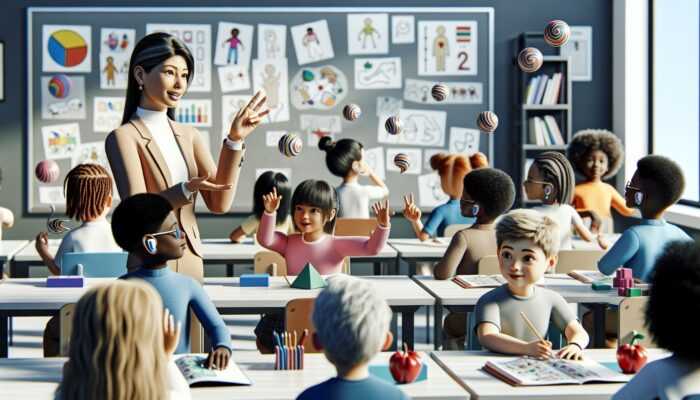
The educational environment presents significant challenges for children with hearing loss. In conventional classroom settings, auditory information typically serves as the primary mode of instruction, making it exceedingly difficult for hearing-impaired children to grasp essential concepts. Research indicates that these children often experience considerable knowledge gaps compared to their hearing peers, particularly in subjects heavily reliant on verbal instruction, such as language arts and social studies.
When lessons primarily depend on auditory input, children with hearing loss may find it hard to keep pace, resulting in lower academic performance and heightened frustration. This struggle can create a cycle of disengagement, where children feel overwhelmed and choose to withdraw from classroom participation. For instance, a child who cannot fully comprehend a teacher’s instructions may hesitate to engage in classroom discussions, leading to missed learning opportunities and an increasing academic divide between themselves and their peers.
To counteract these academic difficulties, many educational institutions are now adopting inclusive teaching strategies, such as differentiated instruction and the integration of technology. Schools can utilise assistive listening devices that amplify the teacher’s voice while reducing background noise, enabling better comprehension. customised learning plans can ensure that children with hearing loss receive the tailored support they need to flourish academically and fully engage in their educational experiences.
Encouraging Active Participation in Class for Children with Hearing Loss
Active participation in the classroom is crucial for enriching a child’s educational experience; however, children with hearing loss often find it difficult to engage in discussions and group activities. The auditory challenges they face can lead to feelings of inadequacy, making them reluctant to express their thoughts or ask questions. This hesitance can further diminish their learning and social engagement, creating barriers to their academic success.
Research indicates that children with hearing loss are less likely to raise their hands or volunteer in class due to fears of misunderstanding or being misunderstood by their peers and teachers. This lack of participation negatively impacts not only their academic performance but also their self-esteem and confidence. their reluctance to engage can create a feedback loop, where they miss opportunities to practice their communication skills, further affecting their ability to connect with others and participate socially.
Educators can play a pivotal role in fostering an inclusive environment by employing strategies that encourage participation from all students. Providing visual aids, offering clear instructions, and creating opportunities for small group discussions can help children with hearing loss feel more comfortable sharing their ideas. Empowering these children to actively participate in their learning journey is essential for enhancing their educational experience and emotional well-being.
Identifying Special Educational Needs for Children with Hearing Loss

Children with hearing loss often require specialised educational support to effectively meet their unique learning needs. Special education programs can offer a variety of resources, including sign language instruction, assistive listening devices, and individualised education plans (IEPs). These adaptations are essential for ensuring that children receive the necessary assistance to achieve academic success.
In some cases, children may benefit from one-on-one instruction or small group settings that cater to their specific learning requirements. For example, teaching methods that include visual learning and hands-on activities can significantly enhance understanding and retention among hearing-impaired students. schools may offer specialised training for teachers to help them learn how to communicate effectively with and support students with hearing loss.
Research suggests that early intervention and targeted support can lead to improved academic outcomes for children with hearing loss. When educational institutions prioritise inclusivity and provide the required resources, children are more likely to thrive both academically and socially. By recognising and addressing the unique challenges faced by these students, educators can create a more equitable learning environment that fosters success.
Delivering Academic Support Services for Children with Hearing Loss
The importance of academic support services for children with hearing loss cannot be overstated. Many schools offer specialised tutoring, note-taking assistance, and academic counselling to help these students overcome the challenges posed by their hearing impairments. These services are crucial in bridging the educational gap that often exists for hearing-impaired students and ensuring they receive a well-rounded education.
For instance, specialised tutoring can specifically target areas where a child may be struggling, providing focused assistance that aligns with their individual learning style. Note-taking assistance can be particularly beneficial, ensuring that students capture essential information during lectures, which is vital for later studying and retention. Schools may also implement peer support programs where hearing peers can facilitate communication and engagement in group activities, enhancing the overall learning experience.
Research indicates that children who receive adequate academic support are better positioned to succeed in their studies. By fostering a collaborative learning environment and providing tailored resources, schools can enhance the educational experiences of children with hearing loss. these academic support services play a vital role in helping these children build the skills and confidence necessary for lifelong learning and success.
Examining the Emotional and Psychological Impact of Hearing Loss on Children
Boosting Self-Esteem in Children with Hearing Loss
The emotional consequences of hearing loss can be profound, with many children struggling with issues surrounding self-esteem. When communication barriers arise, children may internalise feelings of inadequacy, leading them to question their ability to express themselves and connect with others effectively. This internal conflict can result in a significantly diminished sense of self-worth, profoundly affecting their overall emotional well-being.
Children with hearing loss often become acutely aware of their differences and may feel increasingly isolated from their peers, exacerbating feelings of low self-esteem. This sense of disconnection can manifest in various ways, such as reluctance to participate in social activities or avoidance of group settings. Studies indicate that children with hearing impairments face a heightened risk of developing negative self-images, which can hinder their ability to form friendships and integrate into social networks.
To combat these self-esteem challenges, it is critical for parents and educators to provide consistent encouragement and positive reinforcement. Creating environments where children feel accepted and understood can significantly bolster their self-esteem. Engaging in activities that highlight individual strengths and talents can offer children opportunities to excel, fostering a more positive self-image and enhancing their confidence in social situations.
Alleviating Anxiety and Stress in Children with Hearing Loss
For children with hearing loss, the ongoing challenges related to communication can lead to increased levels of anxiety and stress. The fear of misunderstanding others or being misunderstood can create a pervasive sense of tension. These emotional burdens can have far-reaching implications for a child’s mental health and overall quality of life.
Research indicates that anxiety arising from communication challenges can interfere with a child’s ability to engage in everyday situations, such as participating in school activities or forming friendships. The pressure to ‘keep up’ with peers can heighten feelings of stress, particularly in social settings where auditory input is crucial for interaction. This ongoing struggle may lead to a cycle of avoidance, further isolating children from meaningful social interactions and experiences.
Parental support is essential in alleviating anxiety and stress. Open communication about feelings, encouraging children to articulate their concerns, and providing coping strategies can significantly enhance their emotional resilience. mindfulness techniques and social skills training can empower children to navigate their challenges with greater confidence, reducing anxiety and fostering a sense of belonging within their social circles.
Developing Effective Coping Mechanisms for Children with Hearing Loss
Establishing effective coping mechanisms is vital for children with hearing loss as they navigate the complexities of communication and social interaction. These strategies can vary from utilising assistive technology to implementing social skills training that enhances their ability to engage with peers. Children often develop unique coping strategies based on their individual experiences and the support they receive from family and educators.
For example, some children may rely on visual cues, such as lip-reading or gestures, to facilitate communication. Others may leverage technology, such as hearing aids or speech-to-text applications, to bridge the gap between themselves and their hearing peers. These adaptive strategies not only promote effective communication but also foster a sense of autonomy, empowering children to take charge of their interactions and encouraging independence.
Research underscores the importance of teaching coping mechanisms from an early age. By equipping children with the tools to manage their hearing loss effectively, parents and educators can help mitigate feelings of frustration and isolation. Encouraging participation in support groups or social activities tailored for children with hearing loss can enhance their skillsets while simultaneously providing a sense of community and belonging.
Combating Social Isolation in Children with Hearing Loss
Social isolation is a pervasive issue for children with hearing loss, often stemming from communication difficulties and their inability to fully engage in social interactions. This isolation can lead to severe emotional consequences, including feelings of loneliness and disconnection from peers. The challenges of navigating group dynamics without adequate communication can leave children feeling excluded, further exacerbating their emotional distress and sense of isolation.
Research suggests that children with hearing impairments are at a heightened risk for developing mental health issues, such as anxiety and depression, due to their feelings of isolation. The struggle to connect with peers can result in a reluctance to engage in social settings, reinforcing feelings of loneliness. In some instances, this isolation can extend into adulthood, affecting their ability to form and maintain relationships later in life.
To address social isolation, it is crucial to create inclusive environments both at home and in educational settings. Encouraging friendships with empathetic peers and facilitating opportunities for social interaction can significantly enhance a child’s emotional health. promoting awareness and understanding of hearing loss among peers can help establish a supportive social network, allowing children to feel valued and included within their communities.
Understanding the Impact of Depression in Children with Hearing Loss
The long-term emotional challenges associated with hearing loss can culminate in serious mental health issues, including depression. The persistent struggles with communication, social interaction, and self-worth can weigh heavily on a child’s psyche, leading to feelings of sadness and hopelessness. Research has shown that children with hearing impairments are at a greater risk of experiencing depression compared to their hearing peers.
The effects of depression extend beyond emotional well-being, negatively impacting a child’s academic performance and social relationships. When children feel overwhelmed by their circumstances, they may withdraw from activities and friendships, further deepening their feelings of isolation and despair. This downward spiral can lead to lasting repercussions, influencing their overall quality of life and emotional stability.
To effectively address depression, early intervention is crucial. Parents and educators should remain vigilant for signs of emotional distress and provide appropriate support. Access to counselling services, peer support groups, and open communication can help children navigate their feelings and build resilience. By fostering an environment of understanding and compassion, families and schools can play a vital role in supporting children’s mental health and overall well-being.
Investigating Developmental Delays Associated with Hearing Loss in Children
Supporting Cognitive Growth in Children with Hearing Loss
Cognitive development is intricately tied to auditory input, making children with hearing loss particularly susceptible to delays in this critical area. When auditory stimuli are limited, it can impede a child’s ability to process information effectively. This limitation may hinder their learning capacity, affecting essential skills such as critical thinking, problem-solving, and memory retention.
Research indicates that children with hearing impairments often experience slower cognitive development than their hearing peers. The absence of rich auditory experiences can restrict exposure to language and concepts vital for cognitive growth. For instance, auditory learning plays a crucial role in understanding abstract concepts, which may be challenging for children who cannot fully engage with verbal instructions.
To support cognitive development, early intervention and tailored educational strategies are essential. Utilising visual aids, hands-on activities, and interactive learning techniques can promote cognitive engagement among children with hearing loss. fostering a language-rich environment at home can enhance cognitive development, providing children with the necessary tools for academic and social success.
Facilitating Language Development in Children with Hearing Loss
Language acquisition is one of the most significantly affected areas for children with hearing loss. The ability to develop language skills often hinges on exposure to auditory stimuli, which may be limited for those with hearing impairments. This limitation can result in considerable delays in language development, impacting their overall communication abilities and academic success.
Research indicates that children with hearing loss frequently struggle with vocabulary acquisition, grammar, and sentence structure. Early intervention programs focusing on language development can be instrumental in addressing these challenges. Techniques such as sign language instruction, speech therapy, and interactive reading can provide the essential support children need during their critical language development years.
Parental involvement plays a crucial role in enhancing language acquisition. Engaging children in conversations, reading together, and incorporating language-rich activities at home can facilitate language development. By creating an enriching linguistic environment, families can empower children with hearing loss to build strong communication skills that will serve them throughout their lives.
Supporting Motor Skills Development in Children with Hearing Loss
Motor skill development is another area that can be affected by hearing loss, as children often depend on auditory feedback to refine their physical abilities. The connection between auditory input and motor coordination is significant, particularly in early childhood, where play and exploration are critical for developing fine and gross motor skills.
Children with hearing impairments may experience delays in motor skill development due to limited auditory feedback during play interactions. For example, a child may not hear the sounds associated with specific movements, such as clapping or running, which can hinder their ability to replicate those actions effectively. This lack of auditory cues can lead to challenges in both physical activities and social play, further complicating their overall development.
Creating opportunities for children to engage in physical activities, such as sports or dance, can help bolster their motor skills. Encouraging play that emphasises visual and tactile feedback can also support their physical development. Research suggests that children with hearing loss who participate in inclusive physical activities tend to experience enhanced motor skills, social engagement, and overall well-being.
Enhancing Social and Emotional Growth in Children with Hearing Loss
The interplay between hearing loss and social-emotional development is complex, as communication barriers can significantly impact a child’s ability to engage socially and develop emotional intelligence. Limited communication skills can lead to difficulties in forming friendships and understanding social cues, which are essential for emotional growth and development.
Research indicates that children with hearing impairments may experience delays in social-emotional development, as they often struggle to interpret the emotions and intentions of their peers effectively. This inability to connect with others can lead to feelings of isolation and hinder the development of empathy and social skills. the emotional challenges associated with hearing loss can exacerbate these delays, creating a cycle of difficulties in social interactions.
To foster social-emotional development, it is essential to create inclusive environments that support interaction and communication among peers. Encouraging collaborative play, promoting social skills training, and facilitating open discussions about emotions can help children with hearing loss build robust social connections. By prioritising social-emotional growth, families and educators can empower these children to navigate their world with confidence and resilience.
Promoting Social and Cultural Integration for Children with Hearing Loss
Encouraging Peer Relationships for Children with Hearing Loss
Establishing and maintaining peer relationships can pose significant challenges for children with hearing loss. Communication barriers frequently prevent them from fully participating in conversations, which is vital for friendship formation. This limitation can lead to feelings of exclusion and loneliness, as children may struggle to connect with their hearing peers, impacting their social development.
Research reveals that children with hearing impairments often find it more challenging to develop social connections than their hearing counterparts. The inability to engage in spontaneous conversations or comprehend social nuances can hinder the establishment of friendships, leaving these children feeling isolated. This social disconnection can contribute to low self-esteem and emotional distress.
To nurture peer relationships, it is essential for parents and educators to create inclusive environments that promote understanding and acceptance. Encouraging group activities that emphasise collaboration and teamwork can help children with hearing loss connect with their peers. fostering awareness and empathy among hearing children can lead to more meaningful interactions, allowing for stronger social bonds and connections.
Enhancing Cultural Participation for Children with Hearing Loss
Cultural participation is another critical aspect often impacted by hearing loss. Many cultural activities, such as music, theatre, and community events, heavily rely on auditory input, which can leave children with hearing impairments feeling excluded. This exclusion can limit their exposure to diverse cultural experiences, which are vital for personal growth and social integration.
Research suggests that children with hearing loss may miss out on cultural traditions and celebrations that involve auditory elements, leading to a disconnection from their communities and heritage. This lack of participation can further exacerbate feelings of isolation and hinder their understanding of cultural norms and values.
To enhance cultural participation for children with hearing loss, it is essential to promote inclusivity in community events. Providing accommodations, such as sign language interpretation or visual aids, can enable these children to engage fully in cultural activities. By fostering an inclusive cultural environment, communities can help children with hearing loss feel valued and connected to their heritage, enhancing their sense of belonging.
Encouraging Community Involvement for Children with Hearing Loss
Participating in community events and activities can be particularly challenging for children with hearing loss. The communication barriers they encounter can lead to feelings of exclusion, preventing them from fully engaging in communal life. This disconnect can foster feelings of isolation and diminish their sense of belonging within their communities.
Research indicates that children with hearing impairments often miss out on valuable opportunities for community involvement, which are crucial for social development. The inability to engage in discussions or activities can limit their exposure to diverse perspectives and experiences, further isolating them from their peers and community.
To promote community involvement, it is vital for organisations and community leaders to prioritise inclusivity. Creating accessible programmes and ensuring that community events cater to the needs of children with hearing loss can significantly enhance their participation. Collaborating with local deaf organisations can also create opportunities for meaningful engagement, allowing children to feel connected to their communities and fostering a sense of belonging.
Strengthening Family Dynamics Affected by Hearing Loss
Family dynamics can be significantly impacted by hearing loss, introducing unique communication challenges that may lead to misunderstandings and emotional distance. Children with hearing impairments may struggle to communicate their needs and feelings effectively, creating tension and frustration within the family unit.
Research highlights that families of children with hearing loss often experience increased stress and emotional challenges due to these communication barriers. Parents may feel overwhelmed trying to understand their child’s needs, while children may feel isolated and misunderstood. This dynamic can create a cycle of emotional distress that affects the family’s overall well-being.
To strengthen family dynamics, it is essential to prioritise open communication and understanding. Families can explore adaptive communication strategies, such as learning sign language or incorporating visual aids, to enhance interactions. Engaging in family activities that promote inclusion and understanding can also foster stronger emotional bonds, ultimately supporting the child’s overall development and emotional health.
Understanding the Long-Term Effects of Hearing Loss in Children
Exploring Career Paths for Individuals with Hearing Loss
The repercussions of hearing loss extend well beyond childhood, significantly influencing career opportunities later in life. Many professions necessitate strong communication skills, and children with hearing impairments may find themselves at a disadvantage when navigating the job market. This limitation can result in fewer career options and potentially lower earning potential compared to their hearing peers.
Research suggests that individuals with hearing loss frequently encounter barriers to employment, particularly in fields that are heavily reliant on verbal communication. The inability to articulate ideas effectively or engage in discussions can limit professional advancement and career growth. societal perceptions of hearing loss can perpetuate stigma, making it even more challenging for individuals to secure desirable positions in competitive job markets.
To mitigate these long-term repercussions, it is essential to provide children with hearing loss the necessary support and resources to develop strong communication skills. Encouraging involvement in diverse extracurricular activities and vocational training programmes can equip them with the skills needed for future success. By fostering a culture of understanding and acceptance within professional settings, society can work to remove barriers to employment for individuals with hearing loss, enabling them to thrive in their careers.
Encouraging Independence in Children with Hearing Loss
Achieving independence can be particularly challenging for children with hearing loss as they transition into adulthood. The communication barriers they face may hinder their ability to navigate social and professional situations independently. This challenge can lead to feelings of insecurity and dependency on others, negatively impacting their overall quality of life.
Research indicates that individuals with hearing impairments often require additional support in developing essential life skills, such as effective communication, decision-making, and problem-solving. These skills are crucial for achieving independence and self-sufficiency. Without adequate support, children with hearing loss may struggle to transition into adulthood successfully, affecting their ability to live independently and pursue their goals.
To promote independence, it is essential to provide young individuals with hearing loss the tools and resources they need to succeed. Programmes focusing on life skills training, social communication, and self-advocacy can empower these individuals to navigate their world with confidence. fostering a supportive network of peers and mentors can help create an inclusive environment that encourages independence and self-reliance.
Improving Quality of Life for Individuals with Hearing Loss
The cumulative effects of hearing loss can significantly affect an individual’s overall quality of life. The challenges associated with communication, social interaction, and emotional well-being can lead to feelings of isolation, frustration, and unhappiness. Children with hearing impairments may struggle to form meaningful connections and engage in fulfilling relationships, ultimately affecting their life satisfaction and overall happiness.
Research indicates that individuals with hearing loss often report a lower overall quality of life compared to their hearing peers. This disparity can stem from difficulties in social engagement, academic performance, and emotional health. Without proper support and intervention, the long-term consequences of hearing loss can resonate throughout an individual’s life, affecting their mental, emotional, and social well-being.
To enhance the quality of life for individuals with hearing loss, it is essential to prioritise early intervention and ongoing support. Providing access to resources, such as counselling, social skills training, and community engagement, can empower individuals to lead fulfilling lives. By fostering a culture of acceptance and understanding, society can help mitigate the challenges faced by individuals with hearing loss, ultimately improving their overall quality of life and emotional health.
Frequently Asked Questions Regarding Hearing Loss in Children
How does hearing loss impact children’s speech development?
Hearing loss can delay speech development in children, making it more challenging for them to articulate sounds and formulate words. Limited auditory input hampers their ability to learn through imitation, leading to difficulties in phonetic production and language structure.
What social challenges do children with hearing loss encounter?
Children with hearing loss often experience social isolation due to difficulties in understanding spoken language. This can hinder their ability to engage in conversations, forge friendships, and participate in group activities, resulting in feelings of loneliness.
How does hearing loss affect a child’s academic performance?
Hearing loss can result in learning difficulties, as children may struggle to follow lessons and participate in class discussions. This can lead to educational gaps and lower academic performance compared to their hearing peers.
What emotional effects can arise from hearing loss in children?
Children with hearing loss may experience low self-esteem, anxiety, stress, and depression due to communication challenges and social isolation. These emotional burdens can significantly impact their mental health and overall well-being.
Can hearing loss affect a child’s cognitive development?
Yes, hearing loss can impede cognitive development, affecting a child’s ability to process and retain information. Limited auditory input can restrict exposure to language and concepts essential for cognitive growth, leading to learning delays.
What strategies can assist children with hearing loss in developing social skills?
Encouraging participation in inclusive group activities, promoting social skills training, and fostering open conversations about emotions can help children with hearing loss build strong social connections and enhance their social skills.
How does hearing loss influence family dynamics?
Hearing loss can create communication barriers within families, leading to misunderstandings and emotional distance. This can affect the overall emotional bond between parents and children, increasing stress within the family unit and impacting family relationships.
What long-term consequences can hearing loss have on career opportunities?
Hearing loss can limit future job prospects, particularly in fields that require strong communication skills. Individuals with hearing impairments may face barriers to employment and experience lower earning potential, affecting their career trajectory.
How can parents support children with hearing loss in achieving independence?
Parents can support their children by providing life skills training, encouraging self-advocacy, and fostering a supportive network. Empowering children with the necessary tools can enhance their ability to navigate the world independently and confidently.
What can improve the quality of life for individuals with hearing loss?
Access to early intervention, ongoing support, and resources such as counselling and social skills training can significantly enhance the quality of life for individuals with hearing loss, helping them lead fulfilling and engaged lives.
Explore our journey on X!
The post Hearing Loss in Children: Understanding Its Unique Effects appeared first on The Microsuction Ear Wax Removal Network.
Originally posted 2025-06-23 03:13:42.