
Healthcare Digital Twins Transforming Innovation in the UK
Revolutionising UK Healthcare with the Adoption of Digital Twin Technology
Digital twins are fundamentally transforming the landscape of healthcare in the UK, offering remarkable opportunities to enhance patient outcomes and boost operational efficiency. This innovative technology facilitates the creation of virtual replicas of both patients and healthcare systems, which can be rigorously analysed and manipulated to support improved decision-making processes and optimised workflows. With the NHS at the forefront of this digital transformation, the benefits of innovating with healthcare digital twins are becoming increasingly apparent, heralding a significant shift in how healthcare services are delivered across the nation.
Transform Patient Care with Digital Twin Technology
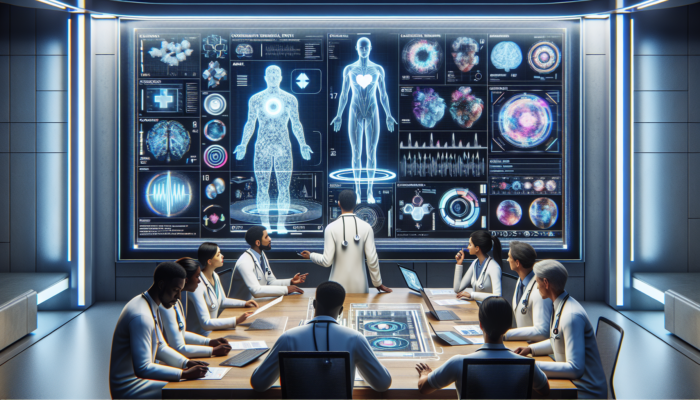
The integration of digital twins into patient care is poised to be profoundly transformative. By developing personalised models that accurately reflect a patient’s unique physiological characteristics and medical history, healthcare professionals can meticulously tailor treatment plans to meet individual needs. This level of personalisation is achieved through extensive real-time data analysis, which considers a multitude of factors including genetics, lifestyle choices, and pre-existing health conditions. Consequently, healthcare providers can adopt a more precise methodology in treatment, significantly enhancing patient outcomes and satisfaction.
Recent studies highlight the efficacy of personalised treatment plans derived from digital twin technology. For instance, research conducted at a leading London hospital demonstrated that patients with chronic heart conditions showed remarkable improvements when their care was managed through digital twin models. These virtual simulations enabled clinicians to anticipate patient responses to various interventions, ultimately leading to more successful health outcomes. This data-driven approach not only enhances the quality of care but also strengthens the relationship between patients and clinicians, as patients feel more engaged in their treatment journeys.
Moreover, digital twins are pivotal in enabling proactive healthcare interventions. By continuously monitoring a patient’s health through their digital twin, healthcare providers can identify potential issues before they escalate into serious complications. This proactive methodology allows for timely interventions, significantly reducing hospital admissions and alleviating the strain on the NHS. Such advancements are particularly crucial given the rising demand for healthcare services, ensuring the system can consistently deliver high-quality care to all patients.
Enhance Healthcare Operations with Digital Twin Innovations
Optimising hospital workflows represents another significant advantage of innovating with healthcare digital twins. By simulating patient flows and interactions within healthcare facilities, digital twins can identify bottlenecks and inefficiencies in real time. This invaluable insight empowers hospital administrators to implement changes that enhance resource allocation and minimise patient wait times, ultimately improving the overall efficiency of healthcare delivery.
Take, for example, the implementation of digital twin technology at a prominent NHS hospital in Manchester. The facility created a digital twin of its emergency department, allowing staff to visualise patient journeys and pinpoint key areas for improvement. By assessing the flow of patients from their arrival to treatment, the hospital successfully reduced waiting times and significantly improved the overall patient experience. This level of insight not only benefits patients but also alleviates pressure on healthcare professionals, allowing them to focus on providing high-quality care.
Furthermore, the ability to model various scenarios using digital twins provides hospital managers with a crucial tool for informed decision-making. For instance, if a hospital anticipates a surge of patients during flu season, it can utilise its digital twin to simulate different staffing and resource allocation strategies to identify the most effective methods. This foresight and preparation for potential challenges are invaluable in the ever-evolving healthcare landscape, enabling healthcare providers to adapt swiftly and effectively.
Guaranteeing Reliable Medical Equipment Through Predictive Maintenance
Digital twins also play a vital role in the predictive maintenance of medical equipment, ensuring reliability and minimising downtime. By modelling the operational performance of devices such as MRI machines or ventilators, healthcare providers can monitor their functionality in real time. This proactive maintenance strategy allows for the early identification of potential failures, enabling timely scheduling of repairs at convenient times, thereby preventing disruptions in patient care.
For example, a recent initiative at a hospital in London successfully utilised digital twins to monitor the performance of its imaging equipment. By analysing usage patterns and wear-and-tear data, the hospital could anticipate when machines would require maintenance, thus leading to fewer unexpected breakdowns. This proactive approach not only reduces costs associated with emergency repairs but also guarantees that essential medical equipment is available when needed, ultimately enhancing patient care and safety.
Moreover, with an increasing reliance on technology within the healthcare sector, the importance of maintaining medical equipment cannot be overstated. Digital twins enable a data-driven approach to equipment management, allowing hospitals to extend the lifespan of their assets and improve their return on investment. As the NHS continues to embrace these technological advancements, incorporating digital twins into equipment maintenance strategies will likely become standard practice across the country.
Government Initiatives and Policies Promoting Digital Twin Adoption in the UK

The UK government recognises the transformative potential of digital twins in healthcare and is actively investing in initiatives to support this technological evolution. From strategic plans within the NHS to funding opportunities for innovative projects, the government plays a central role in facilitating the widespread adoption of digital twin technology throughout the healthcare sector.
Implementing a Comprehensive NHS Digital Transformation Strategy
The NHS Digital Transformation Strategy represents a comprehensive plan aimed at harnessing the power of digital technologies, including innovating with healthcare digital twins, to enhance healthcare delivery across the UK. This strategy encompasses various initiatives designed to improve patient care, streamline operations, and bolster the overall efficiency of NHS services.
At the heart of this strategy lies a commitment to integrating data-driven decision-making into everyday healthcare practices. Digital twins are viewed as essential for achieving this objective, as they provide healthcare professionals with the insights necessary to make informed decisions regarding patient treatment and resource management. By embracing digital twin technology, the NHS aspires to elevate patient experiences, reduce administrative burdens, and cultivate a more agile healthcare system.
Evidence of this strategy’s implementation is visible in numerous projects across the UK. For instance, several NHS trusts are piloting digital twin programmes aimed at optimising surgical planning and enhancing post-operative care. These initiatives reflect the NHS’s commitment to leveraging advanced technologies to meet the evolving needs of patients and improve the overall effectiveness of healthcare services.
Funding and Support Programmes for Digital Health Innovations
To further advance the adoption of digital twins in healthcare, the UK government has introduced various funding initiatives designed to support the development and implementation of digital health technologies. These financial opportunities aim to encourage innovative solutions that utilise digital twins to enhance patient outcomes and streamline healthcare operations.
One notable programme is the NHS Innovation Accelerator, which provides financial backing to healthcare organisations demonstrating the capability to effectively implement digital twin technologies. By offering grants and resources, the government aims to foster a culture of innovation and collaboration within the healthcare sector, driving the successful integration of digital twins into routine practices.
Additionally, partnerships with technology firms and academic institutions are actively encouraged to strengthen research and development efforts focused on digital twins in healthcare. This collaborative approach ensures that diverse expertise is harnessed, paving the way for groundbreaking advancements in patient care and operational efficiency.
Establishing a Robust Regulatory Framework for Digital Twins
As the adoption of digital twins in healthcare expands, establishing a robust regulatory framework is essential to ensuring their safe and ethical utilisation. The UK government has implemented measures to address concerns surrounding data privacy, security, and the ethical implications of employing digital twins in clinical settings.
The General Data Protection Regulation (GDPR) serves as a foundational element of this regulatory framework, ensuring that patient data utilised in digital twin models is managed securely and ethically. By adhering to these regulations, healthcare providers can confidently leverage digital twin technology while safeguarding patient privacy and maintaining compliance with established standards.
Moreover, the Medicines and Healthcare products Regulatory Agency (MHRA) is actively developing guidelines for the application of digital health technologies, including digital twins, in clinical practice. This regulatory oversight is crucial in promoting safe and responsible innovation in healthcare, ensuring that digital twin applications meet the necessary standards of quality and efficacy.
Fostering Collaboration Between Industry and Academia
The UK government is committed to encouraging collaboration between healthcare providers, technology firms, and academic institutions to drive advancements in digital twin technology. By facilitating partnerships, the government aims to create an ecosystem that supports research, development, and implementation of innovative solutions capable of significantly enhancing healthcare delivery.
For example, collaborative projects involving universities and NHS trusts are already underway, focusing on the integration of digital twins into various aspects of patient care. These partnerships leverage academic research and industry expertise to develop practical solutions that address real-world healthcare challenges, ultimately benefiting patients and healthcare providers alike.
The establishment of innovation hubs, such as the Digital Health and Care Institute in Scotland, exemplifies the UK’s commitment to nurturing a collaborative environment for digital health advancements. These hubs serve as platforms for knowledge sharing, research collaboration, and the development of pilot projects, accelerating the adoption of transformative technologies like digital twins throughout the healthcare system.
Examining Successful Case Studies of Digital Twins in UK Hospitals
Numerous UK hospitals have begun implementing digital twin technology in innovative ways, demonstrating its potential to revolutionise healthcare delivery. These case studies highlight the effectiveness of innovating with healthcare digital twins in enhancing patient care, optimising operations, and improving health outcomes.
Royal London Hospital’s Innovative Digital Twin Project
At the Royal London Hospital, the adoption of digital twin technology has substantially improved the efficiency of the emergency department. By constructing a digital twin of patient flows, hospital administrators can simulate and analyse how patients navigate the facility, identifying areas of congestion and opportunities for improvement.
The digital twin initiative has enabled staff to visualise patient journeys, leading to more informed decision-making regarding resource allocation and staffing levels. For instance, by understanding peak admission times and the typical duration of patient stays, the hospital has been able to optimise its staffing levels, ensuring that adequate support is available during busy periods.
As a result of these enhancements, the Royal London Hospital has reported significant reductions in waiting times, leading to an improved overall patient experience. This innovative approach not only streamlines operations but also enhances patient outcomes, showcasing the tangible benefits of integrating digital twins into healthcare practices.
Manchester University NHS Foundation Trust’s Effective Use of Digital Twins
The Manchester University NHS Foundation Trust has successfully leveraged digital twin technology to enhance surgical planning and improve patient outcomes. By creating digital replicas of patients, surgeons can better simulate potential surgical scenarios, allowing for more precise planning and execution of complex procedures.
This innovative approach has proven especially beneficial in the field of orthopaedic surgery, where understanding a patient’s unique anatomy is crucial for achieving successful outcomes. By employing digital twins, surgeons can visualise the surgical site in intricate detail, enabling them to anticipate challenges and tailor their surgical approach accordingly.
Furthermore, integrating digital twins into surgical planning has led to improved recovery times for patients. By ensuring that surgeries are meticulously planned and executed with precision, the Manchester University NHS Foundation Trust has observed a reduction in post-operative complications, further demonstrating the positive impact of innovating with healthcare digital twins.
Imperial College Healthcare NHS Trust’s Strategy for Operational Optimisation
Imperial College Healthcare NHS Trust has proactively sought to optimise hospital operations through the utilisation of digital twins. By modelling patient journeys from admission to discharge, the trust has gained invaluable insights into the factors influencing patient flow and resource utilisation.
This data-driven strategy has allowed the trust to identify inefficiencies and implement changes that enhance the overall patient experience. For example, by analysing patient pathways, the trust has successfully streamlined processes, minimising unnecessary delays and improving communication between various departments.
The successful incorporation of digital twins into operational strategies has resulted in heightened patient satisfaction and improved healthcare delivery. As the NHS continues to embrace digital innovation, the experience of Imperial College Healthcare NHS Trust serves as a compelling example of how innovating with healthcare digital twins can lead to significant advancements in patient care and operational efficiency.
Strengthening Collaboration Between UK Universities and Healthcare Providers
Collaboration between universities and healthcare providers in the UK is essential for advancing the implementation of digital twin technology. Through these partnerships, innovative research and practical applications are driving improvements in patient care and operational efficiency.
The University of Oxford’s Leading Digital Twin Research
The University of Oxford is at the forefront of digital twin research, working together with healthcare providers to develop models that facilitate personalised medicine. By leveraging advanced data analytics and machine learning techniques, researchers are creating digital twins that accurately represent individual patients’ health profiles.
These digital replicas are used to inform treatment decisions, allowing healthcare professionals to tailor interventions based on a patient’s unique needs. For example, in oncology, digital twins can simulate how a patient might respond to specific treatments, enabling oncologists to select the most effective therapies based on individual responses.
This collaboration harbours the potential to revolutionise personalised medicine in the UK, shifting the focus from a one-size-fits-all approach to a more nuanced understanding of patient care. By integrating insights from academic research with practical applications in clinical settings, the University of Oxford is paving the way for innovative advancements in healthcare delivery.
King’s College London’s Innovations in Mental Health Services
King’s College London is actively pursuing digital twin applications aimed at enhancing mental health services. By creating digital models that represent patients’ mental health trajectories, researchers can gain deeper insights into the factors influencing mental well-being.
The digital twin approach allows for the analysis of various treatment modalities and their effectiveness across different patient profiles. This granularity empowers mental health professionals to develop tailored interventions that address the specific needs of individuals, ultimately resulting in better treatment outcomes and improved patient satisfaction.
Additionally, King’s College London is collaborating with local healthcare providers to integrate these innovations into clinical practice. By bridging the gap between academia and healthcare, the institution ensures that cutting-edge research translates into meaningful improvements in mental health services across the UK.
Imperial College London’s Groundbreaking Digital Health Projects
Imperial College London is leading advancements in digital twin technology within the healthcare sector through partnerships with NHS trusts. These collaborations focus on developing innovative solutions that leverage digital twins to enhance patient care and operational efficiency.
One notable project involves creating digital twins of healthcare facilities, enabling administrators to simulate patient flows and resource utilisation. This modelling empowers hospitals to make data-driven decisions that optimise processes and improve patient experiences significantly.
Moreover, Imperial College London is also exploring the integration of digital twin technology into chronic disease management. By modelling patient health trajectories, researchers can identify potential complications and intervene proactively. This approach has the potential to enhance care for patients with long-term conditions, ultimately improving their quality of life and health outcomes.
Through these collaborations, Imperial College London is demonstrating the power of innovating with healthcare digital twins to drive meaningful advancements in the healthcare landscape, ensuring that the UK remains at the forefront of digital health innovation.
Addressing Challenges and Embracing Opportunities in the Adoption of Digital Twins in the UK
While the advantages of adopting digital twin technology in healthcare are substantial, several challenges must be navigated. Understanding these challenges, along with the corresponding opportunities they present, can inform strategies for successful implementation across the UK.
How to Prioritise Data Privacy and Security
As digital twins rely heavily on patient data, ensuring the privacy and security of this information is of paramount importance. Concerns regarding data breaches and the ethical implications of utilising sensitive health information must be thoroughly addressed to cultivate trust in digital twin technology.
The UK’s regulatory framework, including the General Data Protection Regulation (GDPR), provides a solid foundation for protecting patient data. However, healthcare providers must go beyond mere compliance to ensure that data is handled responsibly. This involves investing in robust cybersecurity measures and training staff to comprehend the risks associated with data breaches.
Furthermore, as digital twin technology evolves, so too will the challenges surrounding data privacy. Healthcare organisations must remain vigilant and adapt their practices to keep pace with advancements in technology, ensuring that patient data is consistently safeguarded.
Embracing these challenges presents an opportunity for healthcare providers to demonstrate their commitment to data security and patient privacy, ultimately fostering trust and encouraging the adoption of digital twin technology.
What Steps Can Be Taken to Overcome Integration Challenges with Existing Healthcare Systems?
The integration of digital twins with existing healthcare systems presents technical challenges, particularly in legacy environments that may lack the infrastructure necessary to support advanced digital technologies. However, addressing these integration challenges can unlock significant opportunities for innovation.
Healthcare organisations can adopt a phased approach to integration, commencing with pilot projects focused on specific areas or departments. By showcasing the value of digital twin technology in these pilot initiatives, organisations can build a compelling case for broader adoption and investment.
Moreover, the integration process allows for a thorough evaluation of existing systems, identifying areas for improvement and optimisation. This iterative approach not only enhances the integration of digital twins but also presents healthcare providers with an opportunity to modernise their overall technology infrastructure.
Navigating the challenges of integration presents a pathway for healthcare organisations to enhance operational efficiency and improve patient care through the effective utilisation of digital twin technology.
How to Develop Training and Skills for Healthcare Professionals?
Equipping healthcare professionals with the necessary skills to effectively utilise digital twin technology is vital for successful adoption. The complexity of digital twins necessitates a skilled workforce capable of interpreting data and translating insights into actionable interventions.
To address this challenge, healthcare organisations must prioritise ongoing education and training programmes for their staff. This could involve partnerships with educational institutions and technology providers to develop specialised training modules focused on digital twin applications in clinical settings.
Furthermore, cultivating a culture of innovation within healthcare organisations can inspire staff to embrace new technologies. By creating environments that celebrate continuous learning and experimentation, healthcare providers can empower their workforce to leverage digital twins effectively.
Investing in training and skill development not only enhances the implementation of digital twin technology but also positions healthcare organisations to respond proactively to future advancements in digital health.
Exploring the Future Prospects of Digital Twins in UK Healthcare
The future of digital twins in UK healthcare is promising, with an abundance of opportunities for expansion and innovation. As the technology continues to advance, its integration into various aspects of healthcare delivery is set to transform patient outcomes and operational efficiencies.
How Will Digital Twins Transform Primary Care?
Digital twins have the potential to revolutionise primary care by enabling more effective chronic disease management. By creating digital models of patients with long-term conditions, healthcare providers can monitor health trends and respond proactively to changes in a patient’s condition.
This shift towards a more personalised approach in primary care can lead to significant enhancements in patient outcomes. For instance, by leveraging digital twins, general practitioners can tailor management strategies for patients with diabetes, ensuring that interventions align with individual health profiles.
Moreover, the ability to simulate interventions and predict patient responses can significantly enhance the quality of care in primary settings. As digital twin technology becomes increasingly integrated into primary care, healthcare providers can expect to see reductions in hospital admissions and an overall improvement in population health outcomes.
Pioneering Personalised Medicine and Treatment Plans with Digital Twins
The widespread utilisation of digital twins in healthcare could herald a new era of personalised medicine and treatment plans throughout the UK. By harnessing individual patient data and digital twin models, clinicians can formulate targeted treatment strategies that consider the unique characteristics of each patient.
This approach holds substantial implications across various medical fields, including oncology, cardiology, and neurology. By simulating the effects of different therapies on a patient’s digital twin, healthcare professionals can make informed decisions regarding the most suitable treatment options, ultimately enhancing patient outcomes and satisfaction.
As personalised medicine continues to gain traction, the integration of digital twins will be crucial in refining treatment approaches and ensuring that patients receive the best possible care tailored to their specific needs.
Enhancing Public Health Monitoring with Digital Twins
Digital twins could play a pivotal role in monitoring and managing public health crises in the UK. By creating models that simulate population health trends, public health officials can gain valuable insights into disease spread and the effectiveness of various interventions.
For instance, during outbreaks of infectious diseases, digital twins can be utilised to predict how a virus may propagate within communities and evaluate the impact of public health measures. This data-driven approach facilitates more effective resource allocation and targeted interventions, ultimately safeguarding public health and enhancing community resilience.
Furthermore, the integration of digital twins into public health strategies can enhance preparedness for future health crises, ensuring that healthcare systems are better equipped to respond to emerging challenges and protect the population’s health.
Integrating Digital Twins with Electronic Health Records for Improved Outcomes
Digital twins could significantly augment the functionality of electronic health records (EHRs) in the UK, improving data integration and patient outcomes. By linking digital twins with EHR systems, healthcare providers can create comprehensive profiles that reflect both clinical data and real-time health information.
This integration enables a holistic view of a patient’s health, allowing clinicians to make informed decisions based on the most current data available. For example, by accessing a patient’s digital twin alongside their EHR, healthcare professionals can better understand how lifestyle factors impact their health and adjust treatment plans accordingly.
As the healthcare system continues to digitise, the potential for digital twins to enhance EHR functionality represents a significant opportunity for improving patient care and operational efficiency across the board.
Frequently Asked Questions about Digital Twins in Healthcare
What exactly are healthcare digital twins?
Healthcare digital twins are virtual replicas of patients or healthcare systems designed to simulate and analyse health outcomes and operational efficiency, providing valuable insights for decision-making.
How do digital twins enhance patient care?
Digital twins improve patient care by enabling personalised treatment plans based on real-time data analysis, resulting in better health outcomes and increased patient engagement.
What role does the UK government play in the adoption of digital twins?
The UK government facilitates digital twin adoption through funding initiatives, regulatory frameworks, and partnerships with industry and academia to promote innovation in healthcare.
Can digital twins assist with hospital operations?
Yes, digital twins can optimise hospital workflows by identifying bottlenecks and improving resource allocation, which leads to reduced wait times and enhanced patient experiences.
What challenges are associated with the adoption of digital twins in healthcare?
Challenges include concerns regarding data privacy, integration with existing systems, and the necessity for training healthcare staff on new technologies to ensure effective utilisation.
How might digital twins transform primary care?
Digital twins can enhance chronic disease management in primary care by enabling more personalised monitoring and intervention strategies tailored to individual patients’ needs and health profiles.
Are there successful case studies of digital twins in UK hospitals?
Yes, hospitals such as the Royal London Hospital and Manchester University NHS Foundation Trust have successfully implemented digital twins to improve patient flow and surgical planning, showcasing their effectiveness.
What is the future outlook for digital twins in UK healthcare?
The future of digital twins in UK healthcare looks promising, with potential for expansion into primary care, personalised medicine, enhanced public health monitoring, and improved integration with electronic health records.
How do digital twins ensure data privacy?
Digital twins comply with regulations such as GDPR, ensuring that patient data is managed securely and ethically to protect privacy and maintain trust in the technology.
What skills are necessary for healthcare professionals to effectively work with digital twins?
Healthcare professionals require skills in data analysis, familiarity with technology, and an understanding of how to interpret and apply insights from digital twins in clinical practice to improve patient care.
Originally posted 2025-04-22 18:25:00.

The concept of digital twins in healthcare is indeed intriguing, particularly in terms of how it can enhance patient-centred care. The idea of creating virtual replicas of patients allows for a more nuanced understanding of individual health conditions, leading to tailored treatment plans that could significantly improve outcomes. This reminds me of some recent advancements in personalized medicine, where genetic profiling is employed to determine the most effective therapies.
The concept of digital twins in healthcare is indeed a fascinating development. It’s great to see you connecting it to advancements in personalized medicine. The ability to create a virtual replica of a patient can transform how we approach health management. By simulating various scenarios and outcomes, healthcare providers can gain insights that were previously difficult, if not impossible, to achieve.
This is fascinating stuff! I never thought I’d say digital twins could revolutionize healthcare, but here we are—my only twin experience has involved a poorly-timed costume party. Imagine a virtual me navigating the NHS instead!
The exploration of digital twin technology in UK healthcare is indeed a fascinating subject that touches on several critical aspects of modern medical practice and patient care. As someone who has witnessed the gradual integration of technology in healthcare over the years, I can appreciate how digital twins could serve as a pivotal point in the evolution of personalized medicine. The very notion of creating virtual replicas of patients offers not only a fascinating glimpse into the future but also practical applications that could lead to significant improvements in treatment and outcomes.
The potential of digital twin technology in UK healthcare really does merit a deep dive. It’s intriguing how these virtual replicas could be instrumental in bridging the gap between standardized treatments and personalized medicine.
The concept of digital twins in healthcare is not just a technological advancement; it represents a paradigm shift in how we think about patient care and medical management. I find it particularly inspiring to contemplate the implications this technology could have on the patient experience. By creating detailed virtual models of patients, clinicians can delve into a more profound understanding of individual health trajectories, which may lead to more tailored treatment plans. This can foster a greater sense of autonomy and engagement in patients, knowing that their unique situations are acknowledged at such a granular level.
It’s fascinating to see how digital twins are revolutionizing healthcare in the UK. The potential for crafting personalized patient models could truly change the way we approach treatment and care. For instance, the ability to simulate different treatment scenarios and predict outcomes might lead to more precise interventions tailored to individual needs.
You’ve hit the nail on the head with your observations about digital twins in healthcare. The concept of personalized patient models really opens up a whole new frontier in treatment. It’s almost like having a virtual twin that can help doctors fine-tune decisions based on individual responses rather than a one-size-fits-all approach.
The exploration of digital twins in healthcare, particularly within the context of the UK’s NHS, is indeed a fascinating development. As you highlight, the potential for these virtual replicas to enhance patient outcomes and optimize operational efficiency cannot be overstated.
You know, it’s refreshing to see someone else getting excited about the digital twin phenomenon. It’s like having an identical twin you can talk to—if your identical twin was a high-tech computer that could help doctors make better decisions while also remembering every detail of your health history. I mean, imagine the sibling rivalry there; one gets to sit on the couch while the other is busy optimizing healthcare—talk about an overachiever!
I totally get what you mean about the digital twin phenomenon being exciting. It really is like a sci-fi concept coming to life, isn’t it? The idea that each of us could have a virtual version that not only reflects our health but can actively participate in our well-being feels almost surreal. I think it changes the whole dynamic of how we think about our health; it shifts from reactive to proactive care.
Speaking of digital twins, if you’ve ever thought about how to effectively market healthcare services that could revolutionize patient care, there’s some great insight out there that could really elevate your approach.
‘Market a Home Healthcare Service: Essential Tips and Tricks’
https://healthcaremarketingservice.com/market-a-home-healthcare-service-essential-tips-and-tricks/.
I completely resonate with your thoughts on the digital twin phenomenon. It really does feel like we’re on the cusp of something transformative, almost like a glimpse into a future that’s both captivating and a bit daunting. The potential for a virtual version of ourselves that can help guide our health decisions is a game-changer. It’s intriguing to think about how this not only empowers individuals to take charge of their health but also shifts the responsibility from the healthcare providers to a more collaborative approach.
Your exploration of digital twin technology in UK healthcare really resonates with me. The idea of creating virtual replicas of patients to tailor treatment is not just innovative; it’s a game changer. I find it fascinating how this technology could lead to more precise and individualized care. For instance, imagine a scenario where doctors can simulate different treatment pathways in real time, adjusting for a patient’s unique responses. This could significantly reduce trial-and-error in treatments, saving time and resources.
It’s fascinating to see how digital twin technology is increasingly being integrated into UK healthcare. The potential for creating personalised models that mirror each patient’s unique physiology is promising and could indeed revolutionise the way we approach treatment. This could lead to more tailored therapies that not only enhance patient outcomes but also mitigate the trial-and-error approach that often characterises medical practice today.
I completely agree with you about the promise of digital twin technology in healthcare. It’s intriguing to think about how these personalised models can lead to tailored therapies that take individual differences into account. The way technology continues to evolve in this field is remarkable.
You’ve hit on something quite fascinating with digital twins, haven’t you? It’s like we’re getting personal trainers for our health, but instead of yelling at us to stop eating that extra slice of pizza, they’re crafting sophisticated algorithms to figure out how our bodies respond to, let’s say, that same delicious slice versus a salad.
It’s fascinating to see how digital twin technology could reshape patient care in such a personal way. When I first heard about digital twins in healthcare, I thought about the potential for more predictive treatments—like how a tailored simulation could help plan complex surgeries by anticipating how a patient might respond. Imagine the confidence this could bring not just to doctors but also to patients.
I completely agree with you; the potential of digital twin technology in healthcare is truly intriguing. The idea of creating a tailored simulation for patients opens a whole new realm of possibilities, especially when it comes to surgical planning. It’s almost like having a personalized roadmap that can predict various outcomes, helping both doctors and patients feel more prepared and confident.
The exploration of digital twin technology in UK healthcare is indeed a game changer that prompts multiple layers of reflection. The potential to create accurate virtual replicas of patients could not only enhance individual treatment plans but also serve as a platform for predictive analytics, enabling healthcare providers to foresee complications or necessary interventions before they manifest in the physical realm.
It’s fascinating to see how digital twin technology could reshape not only patient care but the entire healthcare system in the UK. I’ve read a bit about its potential in other fields, like manufacturing and smart cities, but applying it in healthcare feels especially powerful.
Your reflections on the transformative potential of digital twin technology in UK healthcare truly resonate with me. It’s fascinating to consider how the concept of creating virtual replicas of patients and healthcare systems could revolutionize not just operational efficiency, but also the personalized care we can offer. The idea that we can tailor treatments to an individual’s unique physiological traits is such a powerful leap forward. It reminds me of the recent advancements in genomics and precision medicine, where understanding a person’s genetic makeup is crucial for effective treatment plans.
This exploration of digital twin technology in UK healthcare resonates deeply with me. The idea of creating virtual models that reflect patients’ unique characteristics opens up exciting possibilities for personalised medicine. I recently read about a hospital that has begun using digital twins to simulate treatment outcomes for their patients. This not only helped in tailor-making care plans but also empowered patients by involving them in their own treatment pathways.
Your insights on the potential of digital twin technology in revolutionising UK healthcare resonate deeply with me. It’s fascinating to consider how this technology not only advances operational efficiencies but also transforms patient care itself. The idea of creating virtual replicas that mirror a patient’s unique physiological attributes opens up new avenues for personalised medicine, something we’ve long aspired to in healthcare.
It’s fascinating to see how digital twin technology could reshape patient care in the UK! The idea of having a virtual model that mirrors a patient’s unique health status is not just innovative; it feels like we’re on the brink of a more personalized approach to medicine.
The concept of digital twin technology really resonates with me, especially considering the complexity and individual variability present in healthcare today. The potential to create personalised models that mirror a patient’s unique physiological characteristics could be a game-changer for both diagnosis and treatment.
The exploration of digital twin technology in UK healthcare presents a fascinating convergence of innovation and patient care that could redefine the landscape of medical practice. As you aptly highlighted, the ability to create virtual replicas not only offers new possibilities for individual patient treatment but also serves as a tool for enhancing the operational mechanics of healthcare systems at large.
Fascinating stuff! It’s like having a virtual twin who’s way more cooperative than my actual sibling—no arguments over who hogs the remote! But on a serious note, I love the idea of using a digital twin to tailor treatments. Imagine doctors saying, “Let’s see what works for your imaginary doppelgänger first!” It might even save us from the usual guessing games around meds and dosages.
The exploration of digital twin technology in the UK healthcare system is a fascinating topic, one that intertwines innovation with the urgent need for better patient outcomes. The potential applications of creating virtual replicas of patients and healthcare systems are not just imaginative; they are practical moves towards a more personalized and efficient approach to healthcare.
The concept of digital twin technology in healthcare intrigues me deeply, particularly as it emphasizes the shift toward personalized patient care. This evolution resonates on multiple levels, both medically and from a human perspective, as it reflects a broader societal commitment to individualized treatment protocols. The idea that we could create virtual replicas that mirror a patient’s physiological characteristics is not just a technological advancement; it embodies a new age of empathy and understanding in healthcare.
It’s fascinating to see how digital twin technology is becoming a part of healthcare in the UK. The idea of creating virtual replicas of patients to tailor treatments seems like a game-changer for personalised medicine. I can’t help but think of how this could shift not only individual care but also public health initiatives. If we can model disease spread or treatment outcomes more accurately, it could significantly enhance our responses to new health crises, like the recent pandemic.
Your exploration of digital twin technology in UK healthcare sparks a fascinating dialogue about the future of patient care. The potential of creating virtual replicas to better understand individual patient needs and improve decision-making processes resonates deeply with me. As we navigate an increasingly complex healthcare landscape, I believe that innovations like digital twins represent a pivotal shift not just in the mechanics of care but also in our approach to patient engagement and personalization.
This is such an intriguing exploration of how digital twin technology can reshape healthcare in the UK! It strikes me that personalisation in patient care is more crucial than ever, especially as we navigate the complexities of individual health needs. The idea of creating virtual replicas of patients and their unique physiological traits opens up new possibilities for preventive care and tailored treatments.
This exploration of digital twin technology in healthcare is incredibly compelling. It reminds me of the exciting intersection between technology and personalized medicine that has emerged in recent years. The ability to create precise virtual models of patients could pave the way for truly individualized treatment plans, allowing healthcare providers to predict outcomes more accurately.
This exploration of digital twin technology in UK healthcare genuinely speaks to a transformational moment we’re witnessing in the sector. The potential for these virtual models to tailor patient care based on individual physiological characteristics is fascinating. It strikes me as an evolution of the personalized medicine approach, where treatment is not only about the right drug but tailored interventions based on robust data.
This exploration of digital twin technology in UK healthcare is not just fascinating but also opens up a wealth of possibilities that could redefine how we approach patient care. The ability to create precise virtual replicas of patients isn’t simply an innovative endeavor; it represents a shift towards highly personalized medicine. Imagine how this could enhance pre-surgical planning or monitor chronic conditions with real-time data, allowing healthcare providers to anticipate issues before they arise.
It’s fascinating to see how digital twin technology is carving out a new path for healthcare in the UK. The idea of creating virtual replicas of patients and healthcare systems really brings to light the power of data and technology in personalizing care. I can’t help but think about how this could revolutionize not just treatment plans but also preventative care. Imagine if doctors were able to predict potential health issues or complications by simulating various treatment scenarios with a digital twin of a patient. It could lead to earlier interventions, which is often the key to better outcomes.
It’s fascinating to consider the implications of digital twin technology in UK healthcare, especially as it stands to redefine patient care in such profound ways. The idea that we can create virtual replicas of patients, tailored to their individual physiological characteristics, opens an exciting dialogue around the future of personalized medicine. This technology not only holds the promise of more precise diagnoses but also ensures that treatment plans can be adjusted in real-time based on a patient’s unique response.
Ah, digital twins in healthcare—who knew our beloved NHS would jump on the virtual bandwagon faster than I can decide what to have for dinner? It’s fascinating to think of our doctors having the ability to experiment in a virtual reality without risking any real-life disasters (sorry, Aunt Mabel!).
It’s fascinating to see how digital twin technology is carving out a new frontier in healthcare, especially within the UK’s NHS framework. The idea of creating virtual replicas of patients and systems isn’t just a tech innovation; it feels like a profound shift in how we perceive patient care. Imagine a scenario where doctors can simulate different treatment options using a digital model that mirrors real-time physiological data. It’s not just about choosing the best medication but rather personalizing every aspect of a patient’s care journey, which, in theory, should lead to better outcomes.
It’s fascinating to see how digital twin technology is making waves in the UK healthcare scene. The idea of creating virtual replicas of patients really opens up a new frontier for personalized medicine. I can imagine how, for instance, tweaking a digital model could help doctors simulate various treatment outcomes before they even approach the patient with a plan. This not only boosts the potential for better results but also reduces trial and error in real life, which can be so daunting for patients.
Isn’t it fascinating to think of healthcare as a game of chess, where digital twins are the supercomputers analyzing each move? I can just picture a doctor in a virtual lab coat, tweaking a digital version of a patient’s heart rate like it’s a high-stakes video game! It’s a brilliant way to personalize care.
The integration of digital twin technology in UK healthcare is indeed a fascinating and promising development. It conjures up a vision of a future where personalized medicine could become the norm rather than the exception. The ability to create virtual models that reflect an individual’s unique physiological characteristics represents a significant leap in understanding patient care.
The concept of digital twin technology in healthcare truly intrigues me, especially given its potential to personalize patient care. The idea of creating virtual replicas that not only reflect a patient’s unique physiological traits but can also adapt based on real-time data is remarkable. It reminds me of how precision medicine is evolving, shifting focus to tailored treatments rather than one-size-fits-all approaches.
The concept of digital twin technology in healthcare is indeed fascinating, particularly when we consider its potential to create hyper-personalized treatment plans. By closely mirroring a patient’s physiological and medical history, healthcare providers can anticipate complications and tailor interventions more precisely than ever before.
Your exploration of digital twin technology in UK healthcare genuinely resonates with me. The concept of creating virtual replicas that reflect the unique physiological characteristics of patients opens up a realm of possibilities not just for personalized care, but also for predictive medicine. For instance, imagine using a digital twin to simulate various treatment responses before even starting on a new medication, leading to more tailored and effective interventions.
The exploration of digital twin technology in UK healthcare presents a fascinating intersection of innovation and patient care. The ability to create a virtual representation of patients offers a significant advantage in tailoring treatments to individual needs, potentially leading to more effective healthcare outcomes. This resonates particularly with the growing emphasis on personalized medicine, where understanding the nuances of a patient’s unique medical profile can profoundly impact treatment efficacy.
It’s fascinating to see how digital twin technology could redefine healthcare in the UK. The idea of creating virtual replicas of patients could not only lead to more tailored treatments but also foster a deeper understanding of complex health conditions. I can imagine how, for instance, a digital twin could help anticipate patient responses to various therapies, making it easier for healthcare providers to refine their approaches in real-time.
The exploration of digital twin technology in the UK’s healthcare landscape is not just a fascinating technological advancement but a profound paradigm shift that has the potential to redefine our understanding of patient care. As I reflect on your insights, I can’t help but consider the implications this technology holds not only for individual patients but also for healthcare systems as a whole.