Safeguarding At Hearing First Surbiton
Article Last Updated | 2 October 2026 at 12:34
Waxfree Guarantee™: The only ear wax removal clinic in Surbiton offering the Waxfree Guarantee™.
We’re the only specialist microsuction ear wax removal clinic in Surbiton providing Microsuction Earwax Removal and Manual Instrument Earwax Removal by our expert Audiologists. All of our earwax removal practitioners are hand-picked by our founder, Jason Levy. We really are the ear wax removal experts in Surbiton.
Our convenient location in Surbiton, Southwest London, also serves Kingston-Upon-Thames, Tolworth, Thames Ditton, East Molesey, West Molesey, Hersham, Claygate, Chessington, Hampton Wick, New Malden, Norbiton, Worcester Park, Bushey Park, Teddington, Twickenham, Sunbury-on-Thames, Cobham, Oxshott, Stoke D’Abernon, Stoneleigh, Ewell, Epsom, Leatherhead and Feltham.
Our Safeguarding Approach in Surbiton

At Hearing First Surbiton, safeguarding is about much more than protecting children and vulnerable adults, it is also about making every appointment safe, respectful, and carefully managed. For ear wax removal, hearing tests, and hearing aid care, good safeguarding begins with consent, a thoughtful history, and a clear explanation of the steps before treatment starts. It also means recognising when someone may benefit from extra support, such as a parent, guardian, advocate, or carer, and keeping communication calm, clear, and suited to the person in front of us.
Our practice is guided by clinical judgement, dignity, and sensible risk reduction. That may involve checking for ear pain, infection, dizziness, previous surgery, or perforation risk, along with any other factor that could affect microsuction or manual instrument removal. It also includes knowing when a hearing test should come first, when advice needs to be delivered more cautiously, and when onward referral to an audiologist, GP, or ENT specialist may be the safer choice. Good safeguarding is often seen in the smallest details, including privacy, awareness of a chaperone, infection control, and accurate notes.
Why Everyday Safeguarding Matters in Hearing Care
Many people assume safeguarding only applies to serious social concerns, yet in a clinic it also covers the everyday choices that protect health and wellbeing. A patient who is anxious, hard of hearing, under 18, or uncertain about treatment should never feel hurried. At Hearing First Surbiton, safeguarding supports safer appointments, stronger consent, and more reliable outcomes for ear care, hearing assessment, and hearing aid advice. It helps staff spot when communication needs to be adjusted, when a family member should remain present, and when the safest course is to stop, reflect, and reassess.
For patients and families, this creates care that feels professional, discreet, and attentive. For clinicians, it means using proper training, following local policies, and keeping the patient’s welfare at the centre of every decision.
Looking After Children, Young People, and Vulnerable Adults
Safeguarding becomes especially important when supporting children, teenagers, and adults who may have extra needs, reduced capacity, communication barriers, or a greater level of vulnerability. At Hearing First Surbiton, under 18 appointments for microsuction ear wax removal are carried out with a parent or guardian present, because consent, reassurance, and supervision all matter. That helps create an environment where the young person can ask questions, understand the process, and feel supported throughout the visit.
When working with vulnerable adults, good practice includes noticing signs of confusion, distress, coercion, or difficulty understanding advice about ear wax removal, hearing tests, or hearing aids. If someone seems unsure, staff should slow the pace, use plain language, and check understanding with care. The aim is not simply to complete a clinical task, but to make sure the person feels safe enough to participate in the decision. Where it helps, a chaperone, trusted companion, or interpreter may improve both communication and confidence.
- Record relevant safeguarding concerns accurately, so the clinical team can respond consistently and responsibly.
- Explain the appointment clearly before any examination starts, using plain British English and a calm tone.
- Look for signs that the patient is uncomfortable, confused, or unable to make an informed choice without extra help.
- Check who should be present, especially for children, teenagers, or adults who want support from a carer.
- Pause or stop treatment if consent is unclear, because safe care always comes before speed or convenience.
Supporting Communication When Hearing Loss Affects Understanding
Hearing loss can make safeguarding more difficult if a person misses important instructions or cannot hear a warning during treatment. That is why clear communication is part of protection, not merely customer service. Clinicians should face the patient, speak at a natural pace, and check that the person has heard and understood what is being said. If a patient relies on lip reading, hearing aids, or a family member to interpret everyday conversation, that should be respected during the appointment.
Practical Tip for Safer Appointments
If a patient seems uncertain, ask them to repeat back the key points in their own words. This simple step can quickly reveal misunderstanding and helps confirm that consent is informed, especially before microsuction, hearing assessment, or advice on hearing technology.
Why This Matters in a Clinic Setting
Clear communication reduces anxiety, lowers the chance of mistakes, and helps the clinician notice problems early. In a hearing clinic, that can be the difference between a smooth appointment and one that needs to be paused and reconsidered.
Audiologist-Led Ear Wax Removal Close to Home
Your ears and hearing are delicate, so their care should be in expert hands. Some providers delegate ear wax removal to lay people, treating it as a simple routine task. However, we believe it calls for the skill and judgement of a trained Audiologist.
At our clinic, we are committed to providing the highest standard of care and an effective procedure tailored to your needs. Your hearing is too important to leave to chance, so only qualified Audiologists perform ear wax removal, ensuring that your ears are cared for by a specialist with in-depth knowledge of ear anatomy and physiology. This helps minimise the risk of injury and supports a safer, more reassuring experience.
Hearing First Surbiton – Microsuction Ear Wax Removal Kingston Kt6 Map
Microsuction Ear Wax Removal Led by Audiologists in Surbiton
Ear wax removal deserves careful handling because the ear canal and hearing system are delicate. Hearing First Surbiton treats it as a specialist procedure rather than a routine task, with removal carried out by qualified Audiologists who have detailed knowledge of ear anatomy and physiology. This clinician-led approach is intended to support a comfortable experience while helping to reduce avoidable risk during treatment.
Whether you are experiencing a blocked ear, reduced clarity of sound, or simply feel that wax may be affecting your hearing, an appointment gives space for your individual needs to be considered. The clinic describes its ear care as tailored, recognising that no two ears, symptoms, or levels of wax build-up are exactly the same. An Audiologist can use specialist understanding to choose an appropriate approach to ear wax removal.
Choosing an Audiologist for microsuction or manual ear wax removal can offer extra reassurance when you want professional attention for your ears. If you have ongoing ear discomfort, sudden hearing changes, or concerns about your suitability for wax removal, it is sensible to mention this when booking and seek the right clinical advice. Book a Surbiton appointment to discuss your ear care needs with a dedicated hearing professional.
Consent, Privacy, and Respect in Ear Care
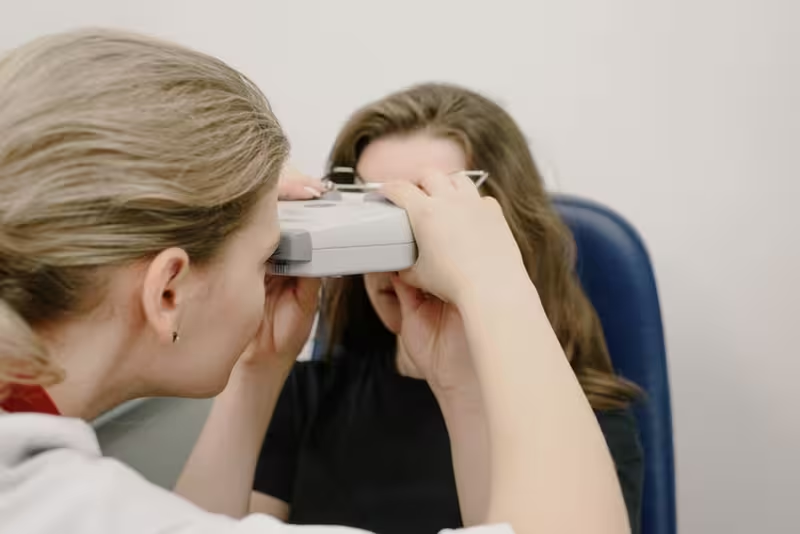
Safeguarding at Hearing First Surbiton covers how appointments are arranged, how consent is gained, and how privacy is protected throughout the visit. Ear wax removal, hearing tests, and hearing aid fittings are personal services, so patients should never feel exposed, rushed, or overlooked. A safe clinic environment gives each person time to ask questions, understand the proposed treatment, and decide whether to continue. Consent should be specific to the procedure, current to the appointment, and freely given without pressure.
Respectful treatment also means protecting privacy during consultations and examinations. That can include closing doors, limiting interruptions, speaking quietly about sensitive matters, and only sharing information with the right people. If a patient brings a friend, partner, or carer, it remains important to speak directly to the patient wherever possible, because hearing care should protect dignity as well as comfort. The same principle applies when discussing hearing aid choices, ear health concerns, or possible referral pathways.
What Good Consent Looks Like in Hearing Care
Good consent is not a single signature or a quick yes. It is a process in which the patient understands what will happen, what the alternatives are, and what the likely benefits and risks may be. For microsuction or manual wax removal, that may include explaining temporary discomfort, rare complications, and the possibility that more than one appointment could be needed. For hearing tests or hearing aid advice, it may involve explaining what the results mean in plain language, without overstating or pressuring the person into the next step.
When people feel informed and respected, they are more likely to engage honestly, ask useful questions, and take part in decisions about their own hearing health.
That makes safeguarding an everyday part of professional care, not an extra task added afterwards. It supports better outcomes, stronger trust, and a safer experience for every patient who walks through the door.
How Much Does Ear Wax Removal in Surbiton Cost?
Published Payment Methods
- Credit cards
- Debit cards
- Contactless or NFC payments
Payment information may change. Confirm prices, insurance eligibility and accepted methods directly with the provider. Place attributes are provided by Google Maps.
Ear wax removal in Surbiton starts at £34. Pricing can vary depending on whether it is one ear or two, how far in advance the booking is made, and whether the appointment falls at peak or off-peak times.
26 Interesting Facts About Surbiton
- Surbiton Urban District: Surbiton had its own Urban District Council from 1855 until local-government reorganisation created the Royal Borough of Kingston upon Thames in 1965.
- Surbiton Town Hall: Surbiton Town Hall on Ewell Road is a 1930s civic building constructed for the former Borough of Surbiton and is Grade II listed.
- Carnegie Library: Surbiton Library was built with support from Andrew Carnegie's library philanthropy and opened on Ewell Road in 1904.
- Surbiton Clock Tower: The Clock Tower at the junction of Ewell Road and St Mark's Hill was erected in 1908 to commemorate the golden jubilee of Surbiton's local authority.
- Surbiton Rugby Football Club: Surbiton Rugby Football Club was founded in 1874 and has long been based at its Portsmouth Road ground.
- Surbiton Racket and Fitness Club: Surbiton Racket and Fitness Club dates from 1881 and retains a historic sporting presence on Berrylands.
- Surbiton High School: Surbiton High School was founded in 1884 as part of the Church Schools Company, an organisation established to expand girls' education.
- Shrewsbury House School: Shrewsbury House School, a preparatory school in Surbiton, was founded in 1912 and moved to its present Ditton Road site in 1927.
- Surbiton’s Royal Roots
today Surbiton still proudly retains echoes of its regal connections through its historic streets. and Surbiton was once part of the ancient Royal Manor of Kingston - Surbiton Station’s Victorian Grandeur
Surbiton Station, built in 1937, is a stunning example of Art Deco architecture, making Surbiton one of the most stylish suburban rail hubs in Greater London. - Surbiton in Popular Culture
Surbiton was immortalised in British television with the sitcom “The Good Life,” where the show’s suburban setting drew direct inspiration from the real Surbiton streets. - Surbiton’s Hidden Riverside Walks
Though known for its town centre, Surbiton also offers beautiful hidden riverside walks along the Thames, giving Surbiton residents secret spots for peaceful strolls. - Ear Wax Removal in Surbiton
Ear wax removal is available from the experts at Hearing First Surbiton on Mondays in Therapy Spaces on St James’ Road, just a couple of minutes’ walk from Surbiton station. Click here to book now. - The Surbiton Lagoon
In the mid-20th century, Surbiton was home to an outdoor swimming haven known as Surbiton Lagoon, once a hugely popular destination for summer fun in Surbiton. - Surbiton’s Medieval Market Past
Long before its suburban boom, Surbiton was a rural hamlet with ties to Kingston’s medieval market economy, showing that Surbiton’s trading spirit goes back centuries. - Surbiton’s Remarkable Rail Impact
Surbiton became a model for how the railways and Surbiton’s rapid Victorian expansion was fuelled by its railway could transform sleepy villages into thriving commuter towns. - The Surbiton Trophy
Surbiton hosts a prestigious annual tennis event, the Surbiton Trophy, attracting international players and adding a touch of sporting prestige to Surbiton’s lively calendar. - Surbiton’s Quirky Roundabout
Claremont Gardens in Surbiton is a rare green roundabout with landscaped gardens, giving Surbiton drivers and pedestrians an unexpected glimpse of nature in the middle of town. - Surbiton’s Secret WWII Connections
During World War II, Surbiton played a quiet but important role, with local buildings used for military planning and Surbiton residents supporting the home front effort. - Surbiton’s River Thames Access
Despite being a suburban hub, Surbiton offers direct access to beautiful stretches of the Thames, giving Surbiton a prized blend of town living and riverside serenity. - The Surbiton Farmers’ Market
Today, Surbiton’s monthly farmers’ market draws huge crowds, showcasing the best of local produce and continuing Surbiton’s centuries-old love of community trade and food. - Surbiton’s Literary Inspiration
Surbiton has inspired numerous writers over the years, with its quirky blend of suburban life and green spaces helping shape characters and settings in classic British literature. - Surbiton’s Victorian Villas
Surbiton is full of grand Victorian villas, making a walk through Surbiton feel like stepping into a time when London’s suburbs represented elegance and status. - The Surbiton Ski Club
In an unexpected twist, Surbiton was once home to a dry ski slope and club, proving that Surbiton’s residents always had a flair for adventurous hobbies close to home. - Surbiton’s Architectural Diversity
Edwardian, modernist architecture, and Surbiton boasts an incredible mix of Victorian, making Surbiton one of London’s most visually eclectic suburban areas. - The Surbiton Flyer
Fast trains known as the “Surbiton Flyers” became famous for whisking commuters from Surbiton to London in record time, boosting Surbiton’s popularity with city workers.
Safer Decisions for Wax Removal and Hearing Assessment

Clinical safeguarding also means knowing when a procedure is suitable and when it is not. Ear wax removal should only go ahead after a proper check of symptoms, relevant history, and any risks that could make treatment unsafe. At Hearing First Surbiton, the clinic’s audiology-led approach supports careful decision making for microsuction, manual instrument wax removal, and hearing tests. This matters because ear care is not the same for every patient. A blocked ear, infection, perforated eardrum, vertigo, recent surgery, or severe pain may change what can be done safely on the day.
Hearing assessment is part of safeguarding too, because it can highlight changes that need medical attention or more specialised review. If someone reports sudden hearing loss, discharge, tinnitus, imbalance, or significant discomfort, a responsible clinician should recognise the limits of routine clinic care. The safest path may be to delay treatment, recommend further medical advice, or refer onwards. That judgement is a vital part of professional responsibility in a local hearing clinic.
- Ask about pain, dizziness, infection, surgery, and previous ear problems, because these details can affect safe treatment choices.
- Take a brief but thorough case history before treatment, so risks and symptoms are considered properly.
- Use the gentlest appropriate method for wax removal, guided by the person’s anatomy and tolerance.
- Escalate concerns quickly if the presentation suggests something beyond routine hearing care.
- Explain what results mean after a hearing test, without exaggeration or unnecessary jargon.
When Referral Is the Safest Option
Sometimes the most professional decision is not to treat immediately. If ear wax is impacted in a way that looks risky, or if hearing changes suggest a medical cause, onward referral protects the patient better than forcing a procedure. Safe care depends on recognising limits as well as skills.
Micro-Guideline for Clinical Judgement
If anything about the ear canal, drum, or symptoms seems unusual, stop and reassess before proceeding. A short delay is far safer than an avoidable injury.
Why Careful Triage Builds Trust
Patients usually trust clinics that explain why treatment is being delayed. Clear reasons, honest advice, and suitable referral show that safeguarding is being taken seriously and help build confidence.
Our Services Include:
- Manual Instrument Ear Wax Removal
- Microsuction Ear Wax Removal
- Hearing Tests: We can test your hearing and explain the meaning of your test results – We are not part-owned by a hearing aid manufacturer, so unlike some High Street chains, we won’t offer you a “free” hearing test and then push you to buy hearing aids.
- Under 18 Microsuction Ear Wax Removal: We provide microsuction ear wax removal for age 12-17 when accompanied by a parent or guardian.
- Impartial Hearing Aid Advice, Supply, Fitting and Aftercare: If you want friendly, impartial advice, we are an independent company that is not part-owned by a hearing aid manufacturer, so we can advise you on which model will be the most appropriate, given your unique lifestyle requirements. We provide all the latest digital invisible, rechargeable, bluetooth and iPhone-compatible hearing aids.
Hearing First Surbiton
Located within Therapy Spaces,
URL: https://www.hearingfirst.co.uk/book-ear-wax-removal-near-me/book-microsuction-ear-wax-removal-surbiton/
Professional ear wax removal Surbiton Audiologists. Conveniently located in Back 2 Well-Being health clinic, with free on-street parking. We are the only ear wax removal clinic in Surbiton that offers The Hearing First Waxfree Guarantee™ , so if you have a blocked ear, book an appointment at our ear wax removal Surbiton clinic. We really are the ear wax removal experts in Surbiton!
What Patients and Families Can Expect from a Safeguarded Appointment

When safeguarding is built into a hearing clinic, patients and families should notice it from the start of the appointment right through to the end. That means being greeted professionally, asked relevant questions, and given enough time to explain symptoms, concerns, and expectations. It also means the environment feels orderly and private, with procedures explained in a steady, reassuring way. Whether the visit is for ear wax removal, a hearing test, or impartial hearing aid advice, the experience should feel measured rather than hurried.
Families often value clear information about what to bring, who should attend, and what may happen if the clinician finds that wax build-up, hearing loss, or ear symptoms need a different kind of support. In a safeguarded setting, staff should be ready to adapt communication for people with hearing loss, learning needs, anxiety, or age-related vulnerability. The practical outcome is better cooperation, fewer misunderstandings, and greater trust in the clinic.
Safe hearing care is not only about technical skill, it is also about attention, patience, and the confidence to act carefully when something does not look right.
That way of working supports every stage of the patient journey, from the first enquiry to aftercare. It helps ensure that each appointment reflects professional standards, suitable consent, and respect for the person behind the symptoms.