
Post-Treatment Care At Hythe: Private Microsuction Ear Wax Removal In Hythe CT21 Clinic
This Page Revised | 2026-10-02 12:56
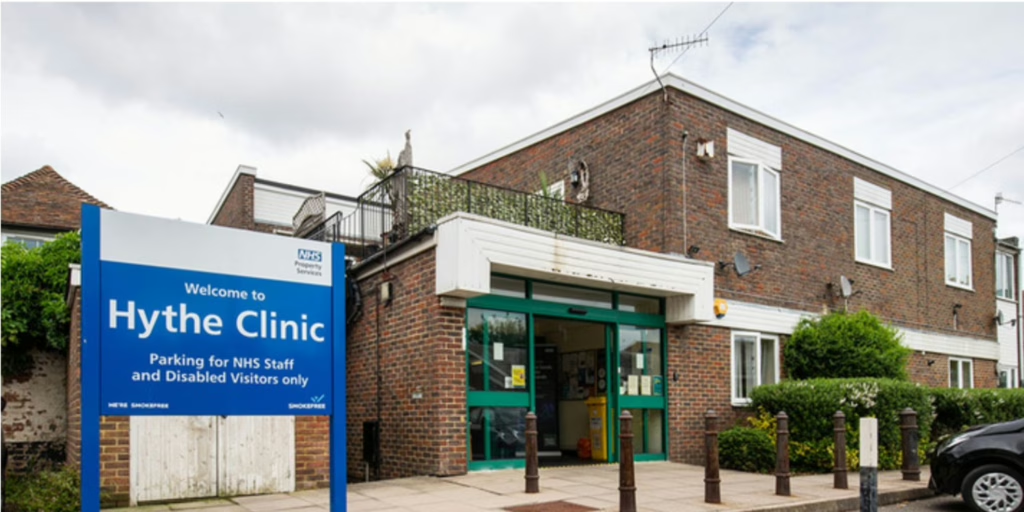
Our Hythe ear wax removal clinic is based inside Hythe Clinic on Sun Lane, with disabled parking right outside and step-free access into the building.
Ear Wax Removal Hythe East Sussex Map, Location and Directions
You can get directions to our Microsuction Hythe East Sussex Location here. Just put in your location in the specified area and Google Maps should lead you to the clinic.
Hearing First Hythe
Sun Ln,
URL: https://www.hearingfirst.co.uk/book-ear-wax-removal-near-me/book-microsuction-ear-wax-removal-hythe/
Probably the best ear wax removal clinic in Hythe
– don’t just take our word for it – here are some of our many 5 star reviews:
Aftercare Guidance After Ear Wax Removal in Hythe
Research Catalogue Results for Ear Wax Removal
- The auricular cough reflex: lateralization, prevalence, procedural determinants, and the role of examiner handedness. - van de Loo J, Mayer M, Sharaf K, Eckel H, Jansen L, Klussmann JP, Luers JC., 2026.
- High-definition otoscopic device for humanitarian mission: how i do it. - Lechien JR, Maniaci A, Kipsang MJ, Kibor M, Vaira LA., 2025.
- Use of Castor Oil in Dermatology: A Narrative Review. - Girdler K, Cabatu A, Olds H, Potts GA., 2026.
Source: Europe PMC. These are bibliographic matches, not personalised medical advice or an endorsement of a treatment.
When your microsuction appointment is finished, the next step is straightforward, practical aftercare. Many people feel an immediate lift in hearing, pressure, or that blocked sensation, although the ear canal may still feel a bit delicate for a short while. Keeping the ear dry, avoiding cotton buds, and giving the skin time to settle are all sensible parts of post-treatment care after private ear wax removal. Thoughtful aftercare can also ease irritation following microsuction and allow the ear canal to recover naturally. If you were seen at a Hythe clinic, it is sensible to follow any individual advice given at the appointment, particularly if you have a history of wax build-up, narrow ear canals, eczema or repeat infection. Usually, a calm approach over the next day or two is enough, and most people can get back to normal routines very quickly. The aim is to protect your hearing health and reduce the chance of wax returning too soon.
What Usually Happens in the First 24 Hours
It is common for the ear to feel clearer, yet also a little more open or airy than before. Some people notice mild tenderness, a fleeting tickle, or a small amount of leftover moisture after ear cleaning. These effects normally settle on their own. If you were advised to use drops, follow the instructions carefully and use only the products recommended for your situation. Try to avoid forceful cleaning, swimming, or letting soapy water run into the ear until it feels settled. If symptoms become worse rather than easing, that is a reason to seek advice.
Video: What Happens in Your Ear Wax Removal Hythe Appointment
Keeping the Ear Canal Dry and Comfortable

Staying dry matters after ear wax removal because the outer ear skin can be more sensitive for a short period. Water left in the ear canal may cause discomfort and can increase the chance of irritation, especially if your skin is easily upset or you are prone to otitis externa. When you wash your hair or shower, take care not to soak the ear, and gently pat the outer ear dry with a soft towel. You do not need to guard it excessively, but a little caution is sensible during the first couple of days. Many people having private microsuction in Kent find that simple drying habits make recovery smoother and help hearing stay clearer. If you swim regularly, it may be wise to wait until any soreness has passed before heading back to the pool. The ear drum and canal usually recover quickly, but the skin still benefits from a short break from moisture, heat and friction.
- Avoid inserting cotton buds, hair grips or tissue, because these can scrape the ear canal and encourage more wax to form.
- Contact a clinician if moisture is followed by pain, blocked hearing or discharge from the ear.
- Use a towel to dry the outside of the ear after washing, without rubbing deep inside the canal.
- Keep showers short if you tend to get ear irritation, and let water run away from the ear rather than into it.
- Delay swimming or water sports for a little while if the ear feels tender or unusually sensitive.
Other Local Clinics
Here are some other clinics close to our Hythe location:
- Hastings: Private Microsuction Ear Wax Removal In Hastings TN34
- Ashford: Private Microsuction Ear Wax Removal In Ashford TN24
- Surbiton: Private Microsuction Ear Wax Removal In Surbiton KT6
Ways to Lower the Risk of Wax Building Up Again
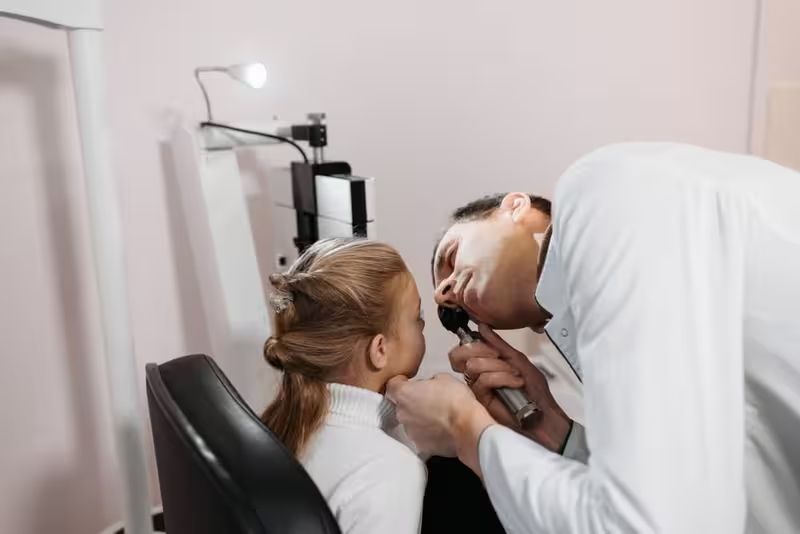
Preventing repeat ear wax build-up is often easier than dealing with a full blockage. The main idea is to avoid interfering with the ear canal’s natural self-cleaning process. Ear wax, or cerumen, has a protective function, so the goal is not to remove it all, but to let it move out of the ear in the normal way. Cleaning too much can stimulate the glands to produce more wax, while pushing things into the ear can compact it further. If you are prone to impaction, a clinician may suggest occasional softening drops or a review plan based on your symptoms and history. People who wear hearing aids, use earphones often, or have especially narrow ear canals may benefit from a more tailored approach. Steady, gentle care is the best way to protect hearing, cut down blocked-ear episodes and avoid repeated wax removal visits.
Practical Habits That Can Help
- Keep hearing aids clean, since moulds and vents can collect wax and affect sound quality.
- Use any recommended olive oil or ear softening drops exactly as advised, rather than making them a daily routine without guidance.
- Tell the clinician about eczema, psoriasis or previous ear infections, because these can influence ongoing care.
- Book a review if you begin to notice reduced hearing, pressure, crackling or a feeling of fullness.
- Clean only the outer ear with a damp cloth, and let the canal clear itself naturally.
Parking Information
Car Parks Near Hearing First Hythe
- YourParkingSpace, approximately 2.0 miles from Hearing First Hythe. View on Google Maps.
- Port Parking Ltd, approximately 2.0 miles from Hearing First Hythe. View on Google Maps.
- YourParkingSpace, approximately 0.4 miles from Hearing First Hythe. View on Google Maps.
Parking information and place links are provided by Google Maps. Check restrictions and charges locally.
There is plenty of free on-site parking available.
Parking at Hythe Clinic
Hythe Clinic on Sun Lane has free on-site parking, which helps make a private ear wax removal visit a little easier from the moment you arrive. Allowing a few extra minutes to park and check in can help the appointment feel less rushed, especially if discomfort or reduced hearing has made travelling awkward.
For the smoothest arrival, it may help to check your route before you leave and bring any relevant appointment details with you. If you have mobility needs, the clinic also has disabled parking bays and ground-floor level access, as noted elsewhere on this page.
- Contact the provider in advance if you want to confirm any accessibility arrangements.
- Plan to arrive with enough time to park safely and enter the clinic without hurrying.
- Use the available on-site parking when you come for your booked appointment.
When to Ask for Advice After Microsuction
Most after-treatment effects are mild and short-lived, but some symptoms should not be brushed aside. If pain gets worse, hearing suddenly drops, or you notice discharge, dizziness or ringing that was not there before, it is sensible to speak to a healthcare professional. These signs can point to inflammation, infection or another ear issue that needs assessment. Although microsuction is widely used for safe ear wax removal, every ear is different, and people with a perforated eardrum, a history of ear surgery or chronic ear disease may need extra caution. In Hythe and across the wider Kent area, it is better to ask early than to wait and hope the symptom fades on its own. Good aftercare support is just as important as the procedure itself, because it helps separate normal recovery from a problem that needs treatment. Trust what you are feeling, especially if it does not match the usual post-cleaning sensation.
Symptoms That Need Prompt Attention
Seek clinical advice quickly if you develop severe ear pain, bleeding, a persistent blocked feeling that does not improve, fever, or a sudden change in balance. If you experience sudden hearing loss, treat it as urgent. It is also sensible to report any new rash, swelling or discharge, particularly if you are prone to eczema or allergic reactions.
Microsuction Compared with Ear Syringing

Many people in North West London are finding that their local GP surgery no longer offers ear syringing. No doubt this is partly due to a lack of funding, tinnitus, perforation of the ear drum, but also because ear syringing is inherently less safe than ear micro suction. Possible side effects of ear syringing or irrigation are ear infection, hearing loss, and further impaction of the ear wax(i.e. the ear wax gets pushed even harder against the ear drum). Is it any wonder that people are going off walk in ear syringing in London and are seeking out microsuction ear wax removal instead? Unfortunately, the sharp rise in demand has meant that NHS micro suction clinics are now unable to meet the need and waiting times are often over two to three months.
You no longer need to wait months for micro suction. Why not save time by going private? It’s not as expensive as you think. Simply visit our booking page and you could be saying goodbye to your wax blockage this week!
21 Fascinating Facts About Hythe

- One of the Least Commercialised Seaside Towns in Kent
traditional High Street, slow pace of life continue to attract those seeking a more authentic and relaxed English seaside experience., avoiding the overdevelopment and modernisation seen in many other coastal towns. Its peaceful seafront, and Hythe has managed to retain its small-town charm and historical integrity - The End Point of the Elham Valley Railway
The Elham Valley Railway once connected Hythe to Canterbury, operating from 1889 until its closure in 1947. It played a crucial role during both world wars, transporting military personnel and equipment. Remnants of the railway line, such as old embankments and bridges, are still visible in the surrounding countryside. - Microsuction Ear Wax Removal In Hythe
If you’re looking for the best ear wax removal clinic in Hythe, you found it. Hearing First Hythe is at the Hythe Clinic. You can click here to Book Microsuction Ear Wax Removal Hythe. - Part of the Saxon Shore
Hythe was historically included in the Saxon Shore, a network of Roman forts and settlements established to defend Britain’s eastern and southern coasts against Saxon raiders. The area’s strategic importance continued into the medieval period, shaping its identity as a Cinque Port and defensive stronghold. - The Martello Towers
Martello towers were built during the early 19th century to defend against potential Napoleonic invasion. Several of these small, round forts can still be seen along the Hythe coast, some of which have been converted into homes or used for storage, preserving their military heritage in a modern context. - St Leonard’s Tower is Over 100 Feet Tall
The massive stone tower of St Leonard’s Church dominates the skyline of Hythe and contains a rare ring of eight bells. Dating back to Norman times, the tower was likely constructed for both religious purposes and as a defensive lookout over the Channel. - The Royal Military Canal is 28 Miles Long
the canal was intended to slow down any French land invasion. Though it was never used in battle, Constructed between 1804 and 1809, observing diverse wildlife along its tree-lined banks., today it serves as a tranquil waterway ideal for walking, and canoeing - Hythe Was Once an Island
Geological and historical evidence suggests that in ancient times Hythe was surrounded by marshland and tidal inlets, effectively isolating it as a small island. Over centuries, silting and land reclamation connected it to the mainland, drastically altering its geography and economic focus. - Hythe Has a Unique Microclimate
those seeking a healthier coastal lifestyle., drier summers than inland parts of Kent. This microclimate has made it a favoured spot for retirees, walkers, Hythe often experiences milder winters and warmer, and Due to its location near the sea and protection by the North Downs - Old Fire Station is Now a Restaurant
Hythe’s former fire station has been transformed into a distinctive eatery, blending original architectural features such as the tall engine bay doors and red brickwork with modern interior design. It stands as a testament to the town’s creative repurposing of historic buildings. - It Was Bombed During the Blitz
Hythe sustained damage during WWII bombings due to its proximity to strategic military sites. Several bombs fell on or near the town, leaving a visible mark on its architectural evolution., damaging homes and public buildings, and Although not a primary target - Hythe Beach is a Mix of Shingle and Sand
The town’s beach is largely shingle above the high tide mark but reveals stretches of sand at low tide. This mix makes it ideal for a range of activities from paddling and beachcombing to sea fishing and kite flying, with breathtaking views of the Channel. - Historic Inns Date Back to the 14th Century
fireplaces that tell tales of their colourful pasts., and still retain medieval cellars, crooked beams, such as The White Hart and The King’s Head, offer centuries of history within their timbered walls. Many served travellers and smugglers, and Hythe’s inns and public houses - The Town Has Roman Roots
Archaeological digs around Hythe have uncovered Roman-era artefacts including ceramics, roofing tiles. These finds suggest that the area, and coins was inhabited or used by the Romans long before it became a medieval port and Cinque Port stronghold. - Hythe’s High Street is Largely Independent
Hythe’s High Street is filled with family-run shops, quirky boutiques. This gives the town a strong sense of identity and a personal shopping experience that draws visitors year-round., artisan bakeries, Unlike many towns dominated by large retail chains, and antique dealers - Close Ties to Sandgate and Folkestone
community projects. Together, Hythe forms a coastal trio with neighbouring towns Sandgate and Folkestone, cultural events, and all of which share historical ties, they offer a rich tapestry of attractions, from castles and military history to art festivals and beach activities. - Hythe Was Once a Major Salt Producer
Salt was a valuable commodity in medieval England and Hythe’s tidal marshes were ideal for its extraction. Salt pans and salterns near the coast provided income and trade opportunities, adding to the town’s wealth as part of the Cinque Port system. - Military Road Was Built for Efficiency
Built by the War Office in the 19th century, Military Road offered a direct connection between the School of Musketry and the coast. Its straight, wide design remains in use today and is a reminder of the town’s longstanding military significance. - Hythe Hill Offers Panoramic Views
often referred to as Hythe Hill or the escarpment, The elevated land to the north of the town, the marshes beyond, nature lovers alike., and the English Channel. It’s a popular spot for dog walkers, provides sweeping views over the town, and photographers - The Crypt is Open to the Public Seasonally
has fascinated historians and tourists for generations., opens seasonally to visitors. It offers a unique glimpse into medieval attitudes toward death and burial, St Leonard’s ossuary crypt, and filled with thousands of neatly stacked bones - Hythe Is a Filming Location
period dramas, even international productions. Its atmospheric streets, Hythe’s unspoilt High Street, and coastal scenery have made it a popular filming location for documentaries, and charming architecture are ideal for evoking England’s historic past.
Looking After Hearing Aids, Earbuds and Earmoulds
People who use hearing aids, earphones or custom earmoulds often need a bit of extra care after wax removal. These devices sit close to the ear canal and can gather moisture or skin debris, which may affect both comfort and sound. After microsuction, check that the device feels as it should and that the sound output seems balanced. If wax had been blocking the canal, the change in hearing can be dramatic, so the device may need a short adjustment period. Clean the outer parts of the hearing aid or earbud in line with the manufacturer's guidance, but do not try to clean deep inside the ear yourself. If your hearing aid tubing, dome or mould looks damaged, or if the fit has altered because of soreness, ask your audiology provider for advice. A clean, well-kept device supports hearing rehabilitation and can help lower the chance of another wax-related blockage.
Simple Device Care After Treatment
Take hearing aids out and store them safely when showering, sleeping or applying hair products, as moisture and residue can shorten their life. If you use reusable earphones, wipe them down regularly, because they can move debris back into the ear. Wait until the ear feels comfortable before using anything that presses firmly into the canal.
Quick Tip for Comfortable Use
If sound suddenly seems too loud after wax removal, lower the device briefly and adjust it slowly. The ear may simply be receiving the correct sound again, but it can take a little time to get used to it.
When to Ask for a Device Check
If the hearing aid whistles, feels loose, or makes the ear sore after treatment, a fitting review may be needed. Small adjustments often make a big difference to both comfort and clarity.
Further Information
You can find more information on ear wax removal in Hythe with Hearing First here.
Safe Self-Care and What to Avoid

Good self-care after ear wax removal is mainly about restraint. It is tempting to keep checking the ear, but poking, scratching or trying to clear fresh wax can irritate the canal and undo the benefit of treatment. Cotton buds are a common cause of ear canal trauma and wax impaction, so they are best left alone altogether. Strong over-the-counter ear drops should only be used if they are suitable for you, particularly if you have a perforated eardrum, an active infection or a history of ear surgery. If you have been given tailored advice by a hearing care professional, follow that rather than guidance found online. The ear usually settles best when it is left alone. For most people after microsuction in a private clinic, a few sensible habits and a watchful eye for unusual symptoms are enough.
- Avoid using random ear drops unless a clinician has recommended them for your circumstances.
- Do not insert cotton buds, fingers or tools into the ear canal, even if it feels itchy or slightly blocked.
- Skip vigorous ear rinsing at home, because forceful water can irritate the canal and push debris further in.
- Do not use wax removal kits on a freshly treated ear unless you have been advised to do so.
- Seek professional advice if you are unsure whether a symptom is normal recovery or something new.
Book Your Microsuction Ear Wax Removal Appointment Today, And Say Goodbye to the Discomfort of Ear Wax.

Our microsuction ear wax removal clinic in Hythe also serves clients in St Mary’s Bay, Romney Marsh, Newchurch, Folkestone, Saltwood, Seabrook, Palmarsh, Botolph’s Bridge, Sandgate, Pedlinge, Lympne, West Hythe, Dymchurch, Westenhanger, Beachborough, Stanford, Etchinghill, Postling, Sellindge, Burmarsh, Aldington, Bonnington, Bilsington, Stone Cross, Ruckinge, Mersham, The Forstal, Smeeth, Lilyvale, Brabourne Lees, Monks Horton, Broad Street, Newbarn, Stowting, Sixmile, Lymbridge Green, Bodsham, Newington, Arpinge, Frogholt, Peene, other towns and villages in Kent..
Aftercare for People with Sensitive Ears or Skin Conditions

People with eczema, psoriasis, dermatitis or recurring ear infections often need a gentler recovery plan after microsuction. The skin of the ear canal can be fragile, and even a careful procedure may leave it feeling dry, sore or slightly inflamed for a short time. In these cases, after-treatment care is not only about comfort, it also helps protect the skin barrier and lower the risk of secondary infection. It may help to avoid fragranced shampoos, harsh hair products and excessive cleaning around the ear. If your skin tends to flare up, tell the clinician, because they may suggest extra precautions or a review if symptoms continue. A measured approach is usually best, especially when hearing loss, itching and skin sensitivity overlap. Small adjustments can make a clear difference to recovery and longer-term ear health.
Comfort Measures That Usually Help
Use plain, gentle products around the ear, and keep the area dry if you are prone to inflammation. If your ear feels itchy, resist scratching, because that can trigger more redness and wax production. A clean, dry cloth held gently against the outer ear may ease mild irritation.
When Skin Changes Need Review
If the ear becomes increasingly red, swollen, hot or painful, it may be more than simple post-procedure sensitivity. Ongoing itching or flaking can also point to a skin condition that needs treatment rather than more cleaning.
Wheelchair and Disabled Access
The clinic is on the ground floor and there is level access.
Travelling Home and Returning to Normal Routines
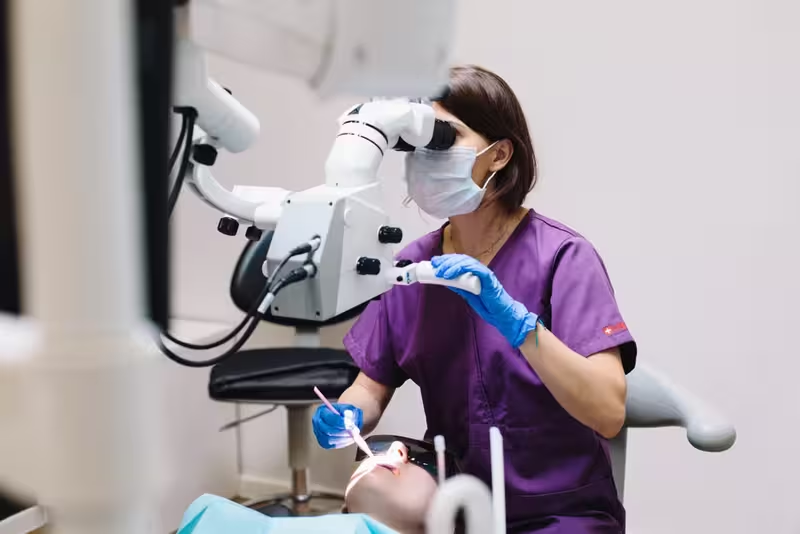
Most people can go home and pick up ordinary activities straight after microsuction, but it still makes sense to notice how the ear feels. If you experience temporary light-headedness, mild discomfort or a sudden feeling of openness in the ear, give yourself a little time before driving, cycling or going back to busy work. For many patients, the improvement in hearing is immediate and welcome, but the brain may take a short while to adjust to clearer sound. That settling-in period is normal after ear wax removal. If you have a long journey, keep the ear dry and avoid using anything that presses firmly into the canal, such as tight earphones. People attending a private ear clinic in Hythe often find the rest of the day uncomplicated, with only a little aftercare needed. The main aim is to avoid unnecessary strain and let the ear settle naturally.
Good Habits for the Rest of the Day
Take things steadily if your hearing has changed a lot, because sudden clarity can feel unusual. Keep noise exposure sensible, especially if your ears feel tender after the appointment. If you usually wear earphones, wait until the ear feels comfortable before using them again.
Disabled Parking Bays

There are several disabled parking bays opposite the entrance
Recognising Normal Recovery and Warning Signs
Knowing what to expect after treatment can make recovery feel less worrying. A mild blocked sensation, a little warmth in the ear or slight tenderness around the canal can happen after microsuction and usually settles quickly. In contrast, symptoms that keep getting worse, particularly pain, discharge, fever or ongoing hearing loss, need a proper check. It can be hard to tell the difference if you are not used to ear issues, so it helps to look at the direction things are going. Normal recovery should improve gradually, not decline steadily. If you have a more complex ear history, such as repeat otitis externa, grommets in the past or a known perforation, your threshold for seeking advice should be lower. Private ear care should always include clear follow-up guidance, because patient safety depends on recognising when a simple recovery has become something else.
Recovery Should Usually Improve Day by Day
Most temporary after-effects ease within a short period, especially if the ear is kept dry and left alone. If you are unsure, compare how you feel now with how you felt immediately after the appointment. Improvement is reassuring, but symptoms that build up are not.
Call for Advice If You Notice This
Sharp or increasing pain, visible discharge, dizziness, fever or a sudden change in hearing should not be ignored. These symptoms deserve prompt assessment rather than home treatment alone.
Booking an Appointment

Because demand is high, private ear wax removal is available by appointment only. You can book an ear microsuction appointment here, or use the button below:
Booking a Microsuction Appointment
Private ear wax removal in Hythe is available by appointment only because of demand. Booking in advance gives you a clear time to attend and helps the clinic prepare for your visit, whether you are seeking help with a feeling of blockage, muffled hearing or other wax-related discomfort.
- Use the Hythe microsuction booking link provided on the page.
- Select an available appointment time that suits your schedule.
- Review the booking information carefully and follow any pre-appointment instructions supplied.
Microsuction ear wax removal is a focused method of clearing ear wax, but individual suitability can vary. If you are unsure about symptoms, have an ear condition, or need guidance before attending, ask the provider for appropriate advice when arranging the appointment.
How Follow-Up Care Supports Long-Term Hearing Health
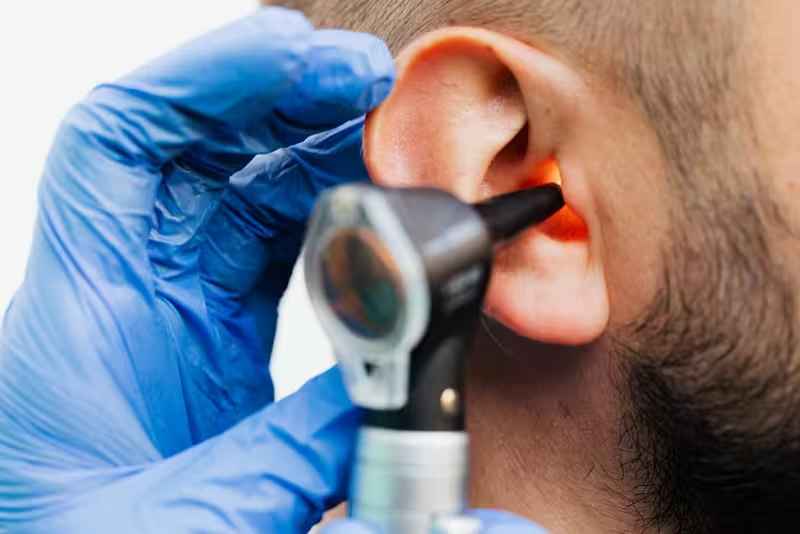
Aftercare is not only about the next day, it also helps support your hearing over the longer term. If wax has caused repeated blockage, a short period of careful observation after removal can help you notice patterns such as recurring fullness, itching or changes in sound quality. This is useful because the reason for repeated wax build-up is not always the same. It may be linked to ear anatomy, skin condition, hearing aid use or habitual cleaning. Noting when symptoms return can help a clinician decide whether you need periodic review, softening drops, or a different management plan. Good follow-up care also helps protect communication, concentration and balance, especially if wax had been affecting both ears. In a private setting, the goal is to leave you with clearer hearing and practical guidance, not just a one-off procedure. Small, steady habits often keep the ears healthier for longer.
- Notice how long the ears stay clear, so you can spot a recurring pattern before it becomes a full blockage.
- Keep a note of any itching, pressure or reduced hearing, especially if the symptoms return in one ear more than the other.
- Ask for professional advice early if you wear hearing aids or have a history of narrow ear canals.
- Use only gentle cleaning around the outer ear, because regular poking often makes wax problems come back.
- Attend any recommended review if symptoms return, rather than waiting for the ear to become fully blocked again.