Healthcare HR Dashboard: A Comprehensive Guide for the UK
Understanding the Significance of UK Healthcare HR Dashboards
What is the Role of a Healthcare HR Dashboard?
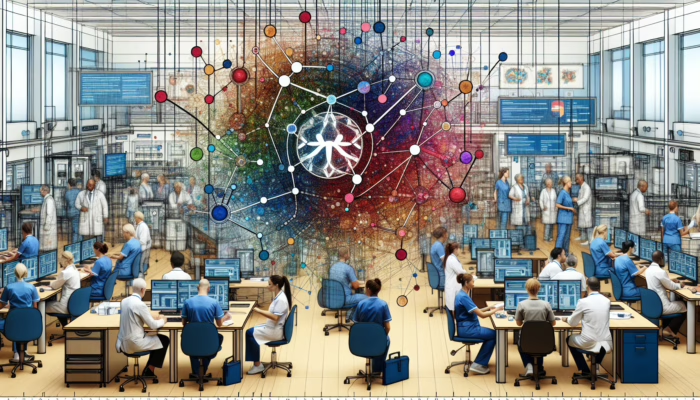
A Healthcare HR Dashboard serves as an interactive visual instrument that consolidates and exhibits vital human resource metrics relevant to the healthcare sector. This tool provides real-time insights, empowering decision-makers to discern trends, assess performance, and streamline strategic planning. Such dashboards are crucial in addressing the intricate workforce dynamics inherent in healthcare institutions, where timely access to data can markedly influence operational efficiency and the quality of patient care outcomes.
By synthesising data from multiple HR systems, a Healthcare HR Dashboard offers a cohesive overview of workforce analytics, encompassing recruitment statistics, employee performance evaluations, and adherence to training mandates. This enhanced visibility simplifies complex datasets, enabling HR professionals to make well-informed decisions that align with the strategic objectives of the institution. Ultimately, it converts raw data into actionable intelligence, rendering it indispensable for contemporary healthcare organisations focused on optimising workforce management.
The Crucial Role of HR Dashboards in UK Healthcare
HR Dashboards are integral to the UK healthcare landscape, where the demand for high-quality care coincides with the need for operational efficiency. These dashboards allow healthcare organisations to gain a thorough understanding of their workforce dynamics, a crucial aspect for boosting productivity while minimising costs. By employing a well-structured HR Dashboard, healthcare providers can uncover latent issues that may impact staff satisfaction and performance, ultimately fostering a more engaged workforce.
The significance of these dashboards transcends mere data presentation; they act as strategic tools aimed at improving employee retention and satisfaction. For instance, by analysing staff turnover rates and absenteeism, healthcare organisations can identify trends that might signal deeper issues within their work environment. This proactive stance allows organisations to implement targeted interventions, nurturing a culture of continuous improvement and enhancing the overall employee experience.
Essential Elements of a UK Healthcare HR Dashboard
A comprehensive UK Healthcare HR Dashboard encompasses several key components tailored to meet the particular needs of the sector. Among the most critical metrics are staff turnover rates, which offer insights into workforce stability; absenteeism rates, which may indicate potential morale issues; training completion rates, ensuring compliance with necessary training; and performance metrics that reflect the effectiveness of individuals and teams.
Furthermore, key performance indicators (KPIs) that align with UK healthcare standards, including those established by the NHS, are vital. These KPIs not only provide benchmarks for performance but also ensure healthcare organisations remain accountable to regulatory standards. By integrating these elements, the dashboard evolves into a comprehensive tool for monitoring HR operations and fostering a productive healthcare environment.
Expert Recommendations for Creating an Effective Healthcare HR Dashboard
Showcase Real-World Examples from UK Healthcare Settings
Numerous UK healthcare organisations have successfully leveraged the capabilities of HR Dashboards to enhance their HR management processes. A notable example involves a prominent NHS Trust that implemented a dashboard enabling HR managers to monitor real-time staffing levels across various departments. This initiative significantly improved staff allocation, ensuring that every unit was appropriately staffed during peak times, which subsequently enhanced patient care.
Another illustrative case involves a private healthcare provider that utilised HR Dashboards to oversee training completion rates. By tracking compliance with mandatory training, they identified departments lagging in training uptake, which facilitated targeted training sessions. This led to an impressive 30% increase in training completion within three months. Such initiatives underscore the tangible benefits of effectively deploying HR Dashboards, which include:
- Improved staffing efficiency
- Enhanced training compliance
- Increased employee satisfaction
- Better alignment of workforce skills with organisational needs
These examples illustrate that with the right tools and insights, UK healthcare organisations can achieve remarkable enhancements in their HR management practices, ultimately resulting in better outcomes for both staff and patients.
Implement Actionable Steps for Dashboard Implementation
Implementing a Healthcare HR Dashboard in UK healthcare settings necessitates a structured approach. Below are practical, actionable steps to assist organisations through the implementation process:
1. Define Objectives: Begin by pinpointing the primary goals for the dashboard. What specific HR metrics do you wish to track? Understanding your objectives will inform the design and functionality of the dashboard.
2. Select Appropriate Software: Choose software that caters to your organisation’s needs while ensuring compatibility with existing systems and compliance with UK regulations. Look for user-friendly interfaces that facilitate effective data visualisation.
3. Collect and Integrate Data: Compile data from various HR systems, ensuring accuracy and timeliness. The integration of diverse data sources is essential for presenting a holistic view of HR metrics.
4. Design the Dashboard: Create a dashboard layout prioritising clarity and usability. Employ visuals such as graphs and charts to present data in an easily digestible manner, ensuring the dashboard caters to your healthcare environment’s specific needs.
5. Train Staff: Conduct training sessions to ensure HR staff are proficient in utilising the dashboard. This training should include practical demonstrations and hands-on experience.
6. Monitor and Refine: After implementation, continuously monitor the dashboard’s effectiveness. Gather feedback from users to make necessary adjustments, ensuring that it remains relevant and beneficial.
By adhering to these steps, UK healthcare organisations can successfully implement HR Dashboards that enhance their HR management capabilities and boost overall operational efficiency.
Provide Expert Analysis on Data Interpretation
Once the Healthcare HR Dashboard is operational, the ability to interpret the displayed data becomes paramount. Understanding the context of the metrics is crucial for making informed HR decisions. For example, should a dashboard reveal high absenteeism rates in a specific department, it is vital to investigate the underlying causes. Are there issues related to workload, management practices, or employee morale? Identifying the root cause enables HR professionals to take targeted actions.
Moreover, analysing performance metrics can reveal trends in employee engagement and productivity. For instance, if training completion rates fall significantly below expectations, this may indicate a need for improved access to training resources or a reevaluation of training programmes. By focusing on UK-specific metrics, such as those pertaining to NHS staffing standards and regulations, HR departments can ensure their insights are both relevant and actionable.
Employing data visualisation tools within the dashboard can further assist in the interpretation of metrics. Charts and graphs facilitate rapid recognition of trends and anomalies, enabling HR professionals to respond promptly to emerging issues. Ultimately, mastering the interpretation of dashboard data is essential for making strategic HR decisions that drive enhancements in workforce management and patient care.
How Can UK Healthcare Organisations Realise Benefits from HR Dashboards?
What Improvements Can Be Anticipated in Staff Management?
Implementing HR Dashboards in UK healthcare organisations can generate significant advancements in staff management. One of the primary advantages is enhanced staff allocation. By providing real-time insights into staffing levels and requirements, HR Dashboards empower managers to deploy personnel more effectively, ensuring that patient care needs are met without overburdening staff.
Furthermore, these dashboards can lead to improvements in training programmes. By tracking training completion and identifying areas of knowledge deficiency, organisations can tailor their training initiatives to align with the specific needs of their workforce. This not only enhances skills but also boosts employee morale, as staff feel more competent and prepared to fulfil their roles.
Additionally, HR Dashboards contribute to reducing turnover rates. By closely monitoring employee engagement levels and identifying trends that may signal dissatisfaction, healthcare organisations can implement retention strategies that proactively address these concerns. For instance, if exit interviews reveal common themes related to workload stress, interventions can be developed to alleviate these issues, thereby fostering a more stable workforce within UK healthcare environments.
Enhancing Patient Care Through Improved HR Management
Enhanced HR management through the utilisation of HR Dashboards directly correlates with improved patient care in UK healthcare organisations. When staff are effectively managed, they are more likely to be engaged, motivated, and equipped with the necessary skills to perform their duties. This creates an environment where high-quality patient care is prioritised.
For instance, by optimising scheduling based on real-time staffing data, healthcare providers can reduce delays in patient care. With the appropriate number of qualified personnel available during peak periods, patient satisfaction can see substantial improvements. Additionally, with ongoing training and development monitored through HR Dashboards, healthcare professionals are better prepared to address complex patient needs, resulting in improved health outcomes.
Moreover, improved HR management practices enable healthcare organisations to foster a culture of accountability and excellence that resonates throughout the institution. This not only boosts staff morale but also instils confidence in patients, knowing they are receiving care from a well-supported and competent workforce.
Financial Benefits of Implementing HR Dashboards
The financial ramifications of adopting HR Dashboards in UK healthcare organisations can be profoundly advantageous. By streamlining HR processes and enhancing workforce management, these dashboards contribute to significant cost savings. For starters, by minimising unnecessary overtime through improved scheduling practices, organisations can reduce payroll expenses, a major cost driver in the healthcare sector.
Additionally, HR Dashboards assist in optimising workforce planning by providing insights into staffing needs and resource allocation. This ensures organisations can avoid both overstaffing and understaffing, both of which carry financial consequences. By effectively managing staff levels, organisations can enhance productivity while minimising costs associated with hiring and training new employees.
Moreover, these dashboards can help identify trends that lead to elevated turnover rates, allowing organisations to implement retention strategies that keep experienced personnel in place. This not only saves on recruitment costs but also ensures continuity of care, which is invaluable in the healthcare setting. By concentrating on financial efficiency through effective HR management, healthcare organisations position themselves for long-term sustainability within the complex UK healthcare landscape.
Proven Strategies for Creating a Healthcare HR Dashboard
Selecting the Right Software to Meet UK Healthcare Needs
Choosing the right software for a Healthcare HR Dashboard is paramount for maximising its effectiveness in UK healthcare environments. The selected software should not only fulfil the specific operational requirements of the healthcare organisation but also comply with UK data protection laws, such as the GDPR. This safeguards sensitive employee information, fostering trust among staff.
Conducting thorough market research when selecting software is essential. Look for solutions that offer user-friendly interfaces, robust analytical capabilities, and the flexibility to integrate with existing systems. Additionally, opt for software that provides customisation options, allowing dashboards to reflect specific metrics pertinent to your organisation’s goals.
Engaging with software vendors to discuss your organisation’s unique needs and challenges can also prove beneficial. Many reputable providers offer trial periods or demonstrations, enabling HR teams to evaluate how well the software meets their requirements before making a commitment. This deliberate approach to software selection can significantly enhance the overall utility of the HR Dashboard in the dynamic UK healthcare landscape.
Customising Dashboards to Reflect UK Healthcare Metrics
Customising HR Dashboards to include metrics pertinent to the UK healthcare context is vital for delivering meaningful insights. Key performance indicators (KPIs) should reflect not only organisational goals but also adherence to national standards, such as those established by the NHS. This may encompass metrics related to patient safety, staff training compliance, and employee engagement levels.
For example, integrating metrics associated with the NHS workforce strategy can ensure the dashboard aligns with broader health system objectives. Customisation further enables organisations to spotlight specific departmental performance, allowing HR managers to drill down into data that is most relevant to their teams.
Moreover, visualising data through graphs and charts can enhance user engagement with the dashboard. Tailored dashboards that reflect the unique environment of UK healthcare can provide HR professionals with actionable insights that drive decision-making and improve outcomes. By focusing on relevant metrics, organisations can ensure their HR strategies align with the overarching goal of delivering high-quality care.
Training Staff on Effective Dashboard Utilisation
Effective training for healthcare staff on utilising HR Dashboards is essential for maximising their benefits. Training should be comprehensive and tailored to accommodate the varying levels of expertise among users. Different methods can be employed to ensure staff feel confident in using the system: workshops, online tutorials, and hands-on sessions are among the most effective.
- Hands-on training sessions to encourage practical use
- Online tutorials for self-paced learning
- Workshops focusing on specific dashboard functionalities
- Regular refresher courses to ensure ongoing competency
Encouraging feedback during training sessions can also help identify areas where additional support is needed. Providing robust training resources and ongoing support will facilitate a smoother transition to using the HR Dashboard and ensure that staff derive maximum value from the tool. Ultimately, a well-trained workforce is crucial for leveraging the full capabilities of HR Dashboards in UK healthcare organisations.
Ensuring Data Security and Privacy in UK Healthcare HR Systems
Protecting sensitive data in HR systems is crucial for UK healthcare organisations. As HR processes increasingly digitise, ensuring data security and privacy is not only a regulatory requirement but also essential for maintaining staff trust. Implementing robust security measures, such as encryption, access controls, and regular audits, is vital to safeguarding employee information.
Compliance with UK GDPR is non-negotiable, necessitating organisations to establish clear data management policies. Regular training for HR staff on data protection protocols can help cultivate a culture of privacy awareness, emphasising the importance of safeguarding personal information. Furthermore, organisations must have contingency plans in place to swiftly and effectively respond to any data breaches.
By prioritising data security and privacy, healthcare organisations can build a solid foundation of trust with their employees. This not only protects sensitive information but also enhances the overall reputation of the organisation, allowing it to focus on delivering high-quality patient care without compromising privacy standards.
Regularly Updating and Maintaining the HR Dashboard
To ensure a Healthcare HR Dashboard remains effective, establishing a routine for regular updates and maintenance is crucial. Technology and healthcare standards are constantly evolving, and so should the dashboards that support them. Regular reviews of the dashboard’s functionality and performance can help identify areas requiring improvement or adaptation to new organisational needs.
Establishing a schedule for updates to reflect changes in metrics, compliance requirements, or user feedback is essential. This may involve collaborating with IT teams to address technical issues or to incorporate new features that enhance usability. Furthermore, soliciting feedback from HR staff on the dashboard’s effectiveness can provide invaluable insights into how well it is meeting their needs.
By committing to a proactive maintenance strategy, healthcare organisations ensure their HR Dashboard continues to provide accurate, relevant, and actionable insights. This ongoing attention to detail fosters a responsive approach to HR management, allowing organisations to adapt to changing circumstances and maintain their focus on delivering high-quality patient care.
What Are the Obstacles to Implementing HR Dashboards in the UK?
Overcoming Resistance to Change in UK Healthcare Environments
The implementation of HR Dashboards in UK healthcare settings often encounters resistance from staff accustomed to traditional methods. Change can be intimidating, especially in environments where established processes are deeply ingrained. To overcome this challenge, it is crucial to engage staff early in the implementation process, showcasing the benefits of the dashboard and how it can simplify their workloads.
Clear communication is essential; stakeholders should be informed about the rationale for the change and how the dashboard aligns with the organisation’s objectives. Providing demonstrations and success stories from other healthcare organisations can also help alleviate concerns and foster enthusiasm for the new system.
Additionally, involving key influencers within the organisation, such as department heads or respected staff members, can facilitate the transition. These individuals can advocate for the change and offer reassurance to their colleagues, creating a more supportive atmosphere for adopting the new HR Dashboard.
Ensuring Data Accuracy and Compliance with UK Regulations
Data accuracy is critical when implementing HR Dashboards, as incorrect data can lead to misguided decisions. For UK healthcare organisations, ensuring compliance with data protection regulations, including the GDPR, adds another layer of complexity. To maintain data integrity, organisations should establish stringent data validation processes, ensuring that data entered into the dashboard is both accurate and current.
Regular audits of data sources and processes can help identify discrepancies and ensure adherence to regulatory standards. Training staff on data entry and management best practices is also essential for fostering a culture of accountability. By prioritising data accuracy and compliance, healthcare organisations can leverage the full potential of their HR Dashboards, facilitating informed decision-making that enhances operational efficiency.
Integrating HR Dashboards with Existing UK Healthcare Systems
Integrating HR Dashboards with existing healthcare systems can present challenges, particularly in organisations with legacy systems. An effective integration strategy is essential to ensure seamless operation and data flow. This may involve collaborating with IT specialists to identify compatibility issues and develop solutions that enable smooth data exchange.
A phased implementation approach can also facilitate integration, allowing organisations to test the dashboard’s functionality in conjunction with existing systems before full-scale deployment. This gradual transition helps minimise disruptions and allows staff to adapt to the new system at a manageable pace.
Ultimately, investing in integration not only enhances the functionality of HR Dashboards but also supports a more cohesive approach to HR management within the healthcare setting. By ensuring that data is readily available and accessible, organisations can drive informed decision-making and improve overall efficiency.
Training UK Healthcare Staff to Effectively Use HR Dashboards
Providing comprehensive training for UK healthcare staff on effectively using HR Dashboards is critical to realising their benefits. A well-structured training programme should cater to various learning styles and levels of expertise. This can be achieved through a mix of training methods, including:
- Interactive workshops for hands-on learning
- Online modules for flexible, self-paced study
- Peer-to-peer training sessions to encourage collaboration
- Ongoing support and refresher courses to reinforce skills
Incorporating real-world scenarios into training can enhance relatability and practical understanding, ensuring staff feel confident in navigating the dashboard. Furthermore, establishing a support network where users can share tips and troubleshoot common issues can further empower staff to utilise the dashboard effectively. By prioritising comprehensive training, healthcare organisations can maximise the impact of their HR Dashboards and enhance overall HR management capabilities.
Future Trends in UK Healthcare HR Dashboards
Advancements in Data Analytics for UK Healthcare HR
The future of UK healthcare HR Dashboards is set for transformation through advancements in data analytics. Emerging technologies such as big data and machine learning are poised to revolutionise how HR metrics are analysed and interpreted. Healthcare organisations can leverage these technologies to gain deeper insights into workforce trends, enabling them to make more informed, strategic decisions.
For example, predictive analytics can identify patterns influencing staff turnover, allowing HR departments to proactively address potential issues before they escalate. Additionally, advanced analytics can assist organisations in optimising their recruitment processes, leading to better hiring decisions that align with organisational goals. By embracing these innovations, UK healthcare organisations can enhance their HR management practices and drive continuous improvement.
The Role of AI in Enhancing HR Dashboards
Artificial Intelligence (AI) is anticipated to play a pivotal role in enhancing the functionality of HR Dashboards in UK healthcare. AI can automate data analysis processes, allowing HR professionals to concentrate on strategic initiatives rather than manual data management. This automation not only boosts efficiency but also enhances the accuracy of insights derived from the dashboard.
Furthermore, AI-powered algorithms can provide predictive insights, helping organisations anticipate future workforce needs and identify potential challenges. For instance, AI can analyse trends in employee engagement and performance to forecast retention rates, enabling HR managers to implement targeted retention strategies. As AI technology continues to evolve, UK healthcare organisations will have the opportunity to leverage these advancements to optimise their HR management practices.
What Will Be the Impact of Digital Transformation on UK HR Dashboards?
Digital transformation is fundamentally reshaping HR management in UK healthcare, with HR Dashboards at the forefront of this evolution. The shift towards digital solutions allows for greater integration of systems and more seamless access to data, thereby enhancing the overall efficiency of HR processes. As more healthcare organisations adopt digital tools, they can expect to witness improvements in data accuracy, reporting capabilities, and user engagement.
Moreover, digital transformation enables the development of user-friendly dashboards that cater to the diverse needs of HR professionals. Customisation options can be expanded, allowing organisations to tailor dashboards to reflect their specific metrics and organisational goals. This tailored approach ensures that HR Dashboards remain relevant and effective, ultimately driving enhancements in workforce management and patient care.
Integration of Real-Time Data in UK Healthcare HR Dashboards
The integration of real-time data into HR Dashboards signifies a substantial advancement in the capability of UK healthcare organisations to make informed decisions. Real-time data empowers HR managers to respond to emerging trends and issues as they arise, rather than relying on historical data that may be outdated. This immediacy is crucial in a fast-paced healthcare environment, where staffing needs and patient priorities can shift rapidly.
For instance, real-time tracking of staff attendance and performance can provide HR managers with insights that inform immediate staffing decisions, ultimately enhancing patient care. Additionally, integrating real-time data can improve compliance monitoring, ensuring that organisations remain accountable to regulatory standards. As technology continues to evolve, the ability to harness real-time data will undoubtedly enhance the effectiveness of HR Dashboards in UK healthcare.
Personalisation of HR Dashboards in UK Healthcare
Personalisation of HR Dashboards is emerging as a key trend in UK healthcare, allowing organisations to tailor their dashboards to meet the unique needs of individual users. By enabling users to customise their dashboard views, organisations can enhance user engagement and ensure that staff have access to the information most relevant to their roles.
For example, healthcare professionals can configure their dashboards to highlight specific metrics related to their department or responsibilities, facilitating a more focused approach to data analysis. This personalisation not only improves usability but also empowers staff to take ownership of their performance metrics, fostering a culture of accountability and continuous improvement.
As healthcare organisations continue to recognise the value of personalised experiences, the future of HR Dashboards will likely place increased emphasis on user-centric design. By prioritising personalisation, UK healthcare providers can enhance their HR management practices and drive better outcomes for both staff and patients.
FAQs About Healthcare HR Dashboards
What Exactly Is a Healthcare HR Dashboard?
A healthcare HR dashboard is a visual tool that presents key HR metrics, assisting organisations in effectively monitoring and managing workforce performance.
Why Are HR Dashboards Vital in UK Healthcare?
HR dashboards provide real-time insights into workforce dynamics, leading to improved efficiency, cost reductions, and enhanced staff satisfaction within UK healthcare settings.
Which Key Metrics Should Be Incorporated into a UK Healthcare HR Dashboard?
Essential metrics include staff turnover rates, absenteeism rates, training completion statistics, and performance metrics tailored to the healthcare sector.
How Can UK Healthcare Organisations Successfully Implement HR Dashboards?
Implementation involves defining objectives, selecting suitable software, integrating data sources, designing the dashboard, training staff, and monitoring its effectiveness.
What Advantages Are Associated with Using HR Dashboards in Healthcare?
Benefits include improved staff allocation, enhanced training programmes, reduced turnover rates, and better patient care outcomes.
How Can AI Improve HR Dashboards in Healthcare?
AI can automate data analysis and provide predictive insights, thereby enhancing operational efficiency and decision-making in HR management.
What Challenges Are Encountered When Implementing HR Dashboards?
Challenges include resistance to change, ensuring data accuracy, integrating with existing systems, and training staff to use the dashboards effectively.
How Can Healthcare Organisations Ensure Data Security in HR Systems?
Organisations should implement robust security measures, adhere to data protection regulations, and provide training on data privacy protocols to staff.
What Future Trends Can Be Anticipated for HR Dashboards in UK Healthcare?
Future trends encompass advancements in data analytics, increased personalisation, real-time data integration, and enhanced user engagement through digital transformation.
How Can Dashboards Enhance Patient Care in Healthcare Settings?
By optimising HR processes, dashboards ensure that staff are well-trained and adequately allocated, resulting in improved patient care quality and outcomes.



The importance of Healthcare HR Dashboards in the UK cannot be overstated, particularly as the sector navigates complex challenges such as staff shortages and evolving patient needs. I find it fascinating how these dashboards not only streamline HR functions but also directly correlate with improved patient outcomes. By providing access to real-time data on workforce metrics, HR professionals can better identify patterns in employee performance and retention, ultimately fostering an environment that enhances both staff satisfaction and patient care.
You’ve raised some crucial points about the role of Healthcare HR Dashboards in the UK. It’s interesting to think about how these tools are shaping the landscape of healthcare management, especially during a time when staff shortages and the changing needs of patients put a lot of pressure on our systems.
You’ve raised some crucial points about the role of Healthcare HR Dashboards in the UK. It’s interesting to think about how these tools are shaping the landscape of healthcare management, especially during a time when staff shortages and the changing needs of patients put a lot of pressure on our systems.
You’ve touched on some key points about the role of HR dashboards in healthcare. It’s interesting to see just how much these tools can influence not just operational efficiency but also the overall quality of care.
I love the idea of a Healthcare HR Dashboard—it’s like having a crystal ball, but instead of seeing fortune-telling images, you’re greeted with workforce trends and performance metrics! It’s a bit like trying to manage a ward of cats—everyone’s going in different directions, and unless you have that data dashboard to guide you, you might end up with more furballs than you can handle.
Your insights into the significance of Healthcare HR Dashboards really highlight the pressing need for data-driven decision-making in the healthcare sector. I’ve seen firsthand how such tools can revolutionize workforce management—especially in environments where staff shortages and turnover are critical issues. For instance, at my previous workplace, utilizing an HR dashboard not only streamlined our recruitment process but also helped identify areas where additional training was needed to enhance employee engagement and patient care.