
Hearing Aid Hygiene: Top Tips for Effective Care
Vital Daily Practices for Effective Hearing Aid Maintenance
Hearing aids are complex devices that require a dedicated approach to hygiene to maintain their peak performance. Establishing a dependable daily maintenance routine goes beyond aesthetics; it directly influences sound quality, durability, and the overall user experience. Regular upkeep, which encompasses cleaning methods, moisture assessments, and battery management, establishes the foundation for best practices in hearing aid hygiene that every user should adopt.
Best Cleaning Practices for Hearing Aids
Daily maintenance of hearing aids necessitates the use of a soft cloth and a gentle brush. These tools are crucial, as dust, debris, and natural oils from the skin can accumulate quickly, adversely affecting functionality and sound clarity. A soft cloth is effective for removing visible dirt, while a specialised brush designed specifically for hearing aids can gently dislodge stubborn particles that become trapped in hard-to-reach areas. Focus particularly on the microphone and receiver openings, as these areas are especially prone to blockages that can significantly obscure sound quality.
Consistent cleaning not only improves the device’s performance but also plays a pivotal role in safeguarding the user’s ear health. Failing to attend to this essential aspect of hygiene can lead to infections or irritations caused by trapped moisture and debris. Establishing a regular cleaning routine, ideally aligned with daily practices such as brushing teeth or applying skincare, can help reinforce this habit and ensure that hearing aids remain clean and functional.
As hearing aids continue to advance in sophistication, users should consult their manufacturer’s guidelines for specific cleaning recommendations. Certain models may have unique features that require specialised cleaning techniques, making adherence to these guidelines crucial for nurturing a lasting and effective relationship with the device.
Daily Moisture Inspection: A Crucial Element of Hearing Aid Care
Moisture can pose a significant threat to hearing aids, potentially leading to corrosion and a reduced lifespan. Conducting a daily check for moisture is essential, especially in humid climates or for users who perspire more than average due to physical activities. A visual inspection of the device can often uncover signs of moisture, but using a moisture detection tool can add an additional layer of security to your maintenance routine.
It is advisable to store hearing aids in a dry environment, and users may wish to invest in a drying kit or a dehumidifier specifically designed for hearing aids. These tools effectively remove excess moisture overnight, ensuring that the device is ready for use the next day.
Regular moisture checks can prevent unexpected breakdowns and costly repairs, making this proactive approach an indispensable part of best practices in hearing aid hygiene that should not be overlooked.
Battery Care: Ensuring Reliable Power for Hearing Aids
Batteries are essential for the operation of hearing aids, and their maintenance is critical for uninterrupted functionality. Proper handling and storage of batteries are vital to ensuring that hearing aids operate consistently and efficiently. Users should routinely check battery levels and replace them before they are fully depleted to avoid interruptions in audio clarity and performance.
Storing batteries in a cool, dry location, away from direct sunlight or heat sources, can significantly extend their lifespan. it is essential to handle batteries with care, avoiding exposure to moisture or extreme temperatures, both of which can negatively impact performance. Adhering to the manufacturer’s specifications regarding battery type is equally important, as using incompatible batteries can lead to device malfunctions.
By prioritising battery care, users can enhance their overall experience and ensure that their hearing aids remain a dependable and effective tool in their daily lives.
Thorough Weekly Deep Cleaning for Improved Device Functionality
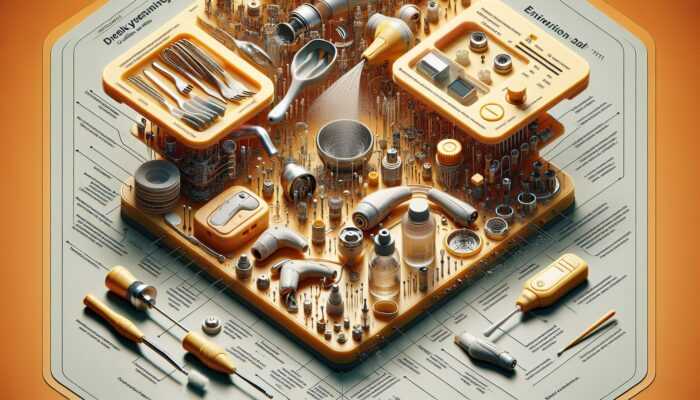
While daily maintenance is essential, implementing a comprehensive weekly cleaning routine elevates best practices in hearing aid hygiene to a higher level. This deep cleaning process involves disassembling components, employing specialised tools, drying and reassembling parts, inspecting for damage, and applying lubrication. Each step significantly enhances both functionality and longevity of the hearing aids.
Thoughtful Disassembly of Hearing Aid Components
Careful disassembly of hearing aids is a fundamental part of effective weekly deep cleaning. This process allows users to access all components, enabling a thorough cleaning that surpasses superficial maintenance. Although it might seem daunting, understanding the specific parts of a hearing aid and diligently following the manufacturer’s instructions can make this task both manageable and safe.
During disassembly, users should take care to remember how the various pieces fit together. Capturing photographs during disassembly can greatly assist in the reassembly process. This meticulous attention to detail can prevent errors during reassembly, ensuring the integrity and functionality of the device are preserved.
Once disassembled, users can utilise a soft brush along with specialised cleaning solutions formulated for hearing aids to remove any accumulated wax or debris. Addressing these concerns promptly can greatly enhance sound quality and overall device performance.
Utilising Specialised Tools for Effective Cleaning
Using specialised cleaning tools is critical for properly maintaining the hygiene of hearing aids. These tools are specifically designed to reach difficult areas where wax and debris can accumulate, such as tubing, receivers, and microphones. Using generic cleaning tools might lead to scratches or damage, making the investment in specialised kits a wise choice for users.
Examples of these specialised tools include wax removal tools and brushes that can navigate narrow openings without causing harm. Users should familiarize themselves with these tools and their functions to maximise the effectiveness of their cleaning routines. Many hearing aid manufacturers provide cleaning kits that include these essential tools, ensuring users have everything they need for optimal maintenance.
Incorporating specialised cleaning tools into a weekly routine not only promotes hygiene but also enhances the overall functionality of hearing aids, leading to better sound quality and performance.
Drying and Reassembling Hearing Aids: Essential Steps for Longevity
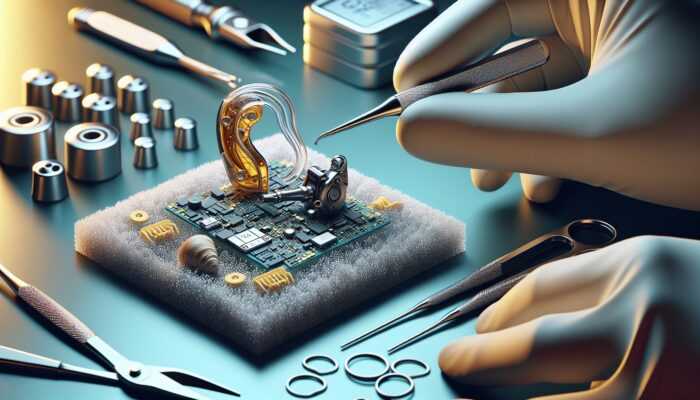
After a thorough cleaning, it is crucial to dry all components before reassembling. Moisture accumulation can lead to significant damage over time, particularly in electronic devices like hearing aids. Users may want to consider using a hearing aid dryer or desiccant to absorb any remaining moisture before reassembling the device.
The drying process is equally important for extending the lifespan of the components. Once all parts are dry, reassembly should be conducted with care, following the reverse order of disassembly. Ensuring that each component is correctly positioned is essential to avoid potential damage and to maintain the functionality of the hearing aids.
Following this drying and reassembly procedure is a crucial part of best practices in hearing aid hygiene, enabling users to enjoy a consistently superior auditory experience.
Inspecting for Damage: A Proactive Approach
Regular inspections during deep cleaning sessions are vital for spotting signs of wear or damage before they develop into significant issues. Users should look for visible signs of distress, such as cracks, frayed wires, or loose components. Early detection allows for timely repairs, which are often straightforward and cost-effective.
Users should pay attention to any changes in sound quality that might indicate an underlying problem. Unusual sounds, distortion, or sudden fluctuations in volume can all signal the need for further inspection or professional assistance.
Incorporating routine checks for damage into a weekly cleaning regimen enhances the overall health of hearing aids, ensuring they remain functional and effective for users.
Applying Lubrication: Enhancing Device Performance and Longevity
During the weekly deep cleaning process, applying the appropriate lubrication to moving parts can help reduce friction, ensuring smoother operation. Over time, components may become stiff or sticky due to the accumulation of wax and oils. Using lubricating products specifically designed for hearing aids can alleviate this issue, promoting both longevity and functionality.
Users should adhere to the manufacturer’s recommendations regarding suitable lubricants for their specific devices. This specialised lubrication not only enhances performance but also mitigates wear and tear, ultimately contributing to an improved auditory experience.
Integrating lubrication into the weekly routine underscores the importance of proactive care in maintaining hearing aids and highlights a critical aspect of best practices in hearing aid hygiene that is often overlooked.
Effective Strategies for Preventing Earwax Buildup and Optimising Hearing Aid Functionality
One of the most common challenges faced by hearing aid users is the accumulation of earwax, which can significantly impede their performance. Implementing preventative measures is essential to maintaining both hygiene and functionality. This section explores the importance of regular ear checks, the use of earwax guards, and the value of professional cleaning services, each playing a crucial role in effectively managing earwax.
Scheduling Regular Ear Checks for Optimal Ear Health
Regular ear checks should be a fundamental practice for individuals using hearing aids. These examinations help identify and manage earwax buildup, preventing blockages that could hinder the functionality of hearing aids. Frequent appointments with an audiologist can assist in monitoring ear health and provide guidance on earwax management, which is vital for achieving optimal hearing.
Individuals can also perform self-checks at home by inspecting their ears in a well-lit environment. If earwax becomes visible or if discomfort arises, seeking professional assistance is advisable. Regular monitoring can help avert the accumulation of excessive wax, which can lead to more complicated issues.
Many users may overlook the influence of diet and hydration on earwax production. Maintaining a balanced diet and staying hydrated can effectively help manage earwax levels, fostering a healthier auditory environment overall.
Implementing Earwax Guards: A Proactive Preventative Measure
Incorporating earwax guards into hearing aids is an effective method of protecting devices from wax buildup. These guards act as a barrier, preventing earwax from entering the microphones and receivers, which can result in sound distortion or complete blockage.
Users should regularly check and replace earwax guards according to the manufacturer’s recommendations, as they may become saturated over time. This simple yet effective preventative measure can help users avoid larger issues down the line, including costly repairs or replacements.
Educating oneself on the proper use and replacement of earwax guards can significantly extend the lifespan of hearing aids. By integrating this practice into regular maintenance routines, users can greatly enhance their overall experience with their hearing aids.
Utilising Professional Cleaning Services for Comprehensive Care
Engaging professional cleaning services can provide invaluable support in effectively managing stubborn earwax and maintaining the health of hearing aids. Professionals possess specialised tools that can safely remove accumulated earwax without damaging the delicate components of the devices.
Users should consider scheduling professional cleanings periodically, especially if they notice a decline in sound quality or if routine cleaning proves insufficient. Professionals can also offer valuable insights regarding ear hygiene, equipping users with the knowledge necessary to prevent future buildup.
Regular professional cleaning not only ensures that hearing aids remain hygienic but also enhances their overall functionality, making this practice a crucial element of best practices in hearing aid hygiene.
Safeguarding Hearing Aids from Environmental Hazards
Environmental factors can significantly affect hearing aids, potentially leading to damage and decreased functionality. Understanding how to protect devices from moisture, dust, and extreme temperatures is essential for maintaining their performance. This section discusses effective protective measures and highlights their importance within the context of best practices in hearing aid hygiene.
Strategies for Minimising Moisture Exposure
Moisture exposure is a leading cause of hearing aid malfunction. Humidity, perspiration, and even water from cleaning routines can cause damage that is often irreversible. To reduce this risk, users should avoid wearing hearing aids during activities that involve excessive moisture, such as swimming.
To avoiding moisture exposure, employing protective cases and drying kits can provide an extra layer of security for devices. Many manufacturers offer moisture-resistant hearing aids, which can be particularly beneficial for users in humid climates.
Developing the habit of removing hearing aids before showering or engaging in outdoor activities can significantly decrease the risk of moisture-related damage. This proactive approach to moisture exposure is a vital aspect of maintaining hearing aid hygiene.
Implementing Dust Shields for Optimal Device Protection
Dust can accumulate rapidly in hearing aids, obstructing sound quality and impairing functionality. Using protective cases and covers can significantly reduce exposure to dust when hearing aids are not in use. This straightforward practice ensures that devices remain clean and ready for use at all times.
It is also advisable to keep hearing aids away from dusty environments whenever possible. For users working in construction or similar settings, investing in additional protective gear may be necessary to safeguard their devices.
Incorporating these protective measures into daily routines effectively shields hearing aids from dust and debris, preserving sound quality and performance.
Temperature Considerations for Enhancing Hearing Aid Longevity
Extreme temperatures can harm hearing aids, negatively impacting their functionality and lifespan. It is crucial to store devices at moderate temperatures, avoiding areas where they might be exposed to excessive cold or heat, such as car dashboards or near heating sources.
Users should be aware of the effects that sudden temperature changes can have on their devices, especially when transitioning between different environments. Allowing hearing aids to acclimatise to new temperatures before use can help prevent functionality issues.
Understanding the temperature considerations associated with hearing aids is an integral part of best practices in hearing aid hygiene, and it can significantly enhance device longevity.
Optimal Strategies for Storing and Handling Hearing Aids
Proper storage and handling of hearing aids are crucial for maintaining their integrity and performance. Implementing strategies such as using protective cases, practising careful handling, and avoiding chemical exposure all play a vital role in preserving the quality of these auditory devices.
Utilising Protective Cases for Device Safeguarding
Storing hearing aids in protective cases when not in use is one of the simplest yet most effective ways to prevent damage and dirt accumulation. Protective cases shield devices from dust, moisture, and accidental drops, all of which can compromise functionality.
Selecting high-quality, durable cases specifically designed for hearing aids is essential. Some cases may also incorporate drying capabilities, further enhancing their protective features. Users should develop the habit of storing their hearing aids in these cases to ensure longevity and optimal performance.
By prioritising proper storage, users can significantly reduce the risks of damage and maintain the overall hygiene of their hearing aids.
Gentle Handling to Prevent Damage
Careful handling is a critical component of maintaining hearing aids. Users should avoid tossing or dropping devices, as this can lead to physical damage that may not be immediately apparent. Establishing a routine for taking out and storing hearing aids can reinforce careful handling habits.
When inserting and removing hearing aids, users should do so over soft surfaces, such as beds or couches, to minimise damage should the devices slip from their fingers. Regular reminders to treat these devices with care can foster a mindset that prioritises the longevity and performance of hearing aids.
This careful handling directly contributes to a positive auditory experience, reinforcing the importance of attentive care within best practices in hearing aid hygiene.
Avoiding Chemical Exposure to Prolong Device Life
Keeping hearing aids away from chemicals and cosmetics is essential for preserving their appearance and functionality. Many common household products, including hairsprays, perfumes, and cleaning agents, can adversely affect the delicate components of hearing aids.
Users should consciously apply cosmetics before inserting hearing aids and avoid using products that may come into contact with the devices. Storing hearing aids in areas free from chemical exposure can further safeguard their longevity and performance.
Understanding the effects of chemical exposure is crucial for hearing aid users, empowering them to make informed decisions about their usage and care, thereby enhancing their overall experience.
The Significance of Regular Professional Check-ups for Hearing Aids
Regular professional check-ups are fundamental to keeping hearing aids in optimal condition. Scheduling maintenance visits, making necessary adjustments, staying informed about technological advancements, and ensuring professional cleanings all play a key role in extending the lifespan and functionality of hearing aids.
Setting a Schedule for Maintenance Visits
Establishing a routine for professional check-ups ensures that hearing aids remain in peak condition. During these visits, audiologists can conduct thorough examinations, confirming that devices are functioning optimally and addressing any concerns users may have.
Regular maintenance visits allow for timely adjustments, keeping hearing aids aligned with the user’s evolving auditory needs. Users should aim for an appointment at least once a year, or more often if they experience changes in hearing or device performance.
This proactive approach to professional maintenance significantly contributes to the longevity of hearing aids and underscores the necessity of regular check-ups within best practices in hearing aid hygiene.
Making Necessary Adjustments and Repairs
Professional adjustments and repairs are often essential to ensure that hearing aids continue to fit well and function properly. Over time, users may notice changes in comfort or audio quality, making these adjustments vital for optimal performance.
Audiologists are trained to make precise adjustments that may not be feasible through at-home maintenance. It is critical to recognise when to seek professional assistance—users should monitor their devices and seek help if they notice any changes in sound quality or comfort.
Incorporating this step into a regular maintenance routine reinforces the significance of professional care as a component of comprehensive hearing aid hygiene.
Keeping Informed About Technological Advances
Staying updated on the latest advancements in hearing aid technology can greatly enhance user experience and device performance. With ongoing technological developments, newer models may offer improved sound processing, enhanced connectivity, and additional features that can significantly benefit users.
Regular consultations with audiologists can help users stay informed about the latest innovations in hearing aid technology, making it easier to determine when upgrades may be beneficial. This knowledge empowers users to make informed choices that elevate their auditory experiences.
By keeping technological advancements in mind, users not only enjoy improved performance but also reinforce the importance of proactive care within best practices in hearing aid hygiene.
The Importance of Professional Cleanings in Device Maintenance
Regular professional cleanings are vital for preventing buildup and maintaining the hygiene and functionality of hearing aids. These cleanings provide opportunities for thorough assessments by trained professionals who can identify issues that may go unnoticed during routine care.
Audiologists possess specialised cleaning tools and techniques that ensure devices are kept in optimal condition. Users should consider scheduling these cleanings at least every six months, or more frequently if they notice changes in sound quality.
Integrating professional cleanings into a maintenance plan highlights the crucial role that expert care plays in preserving hearing aids and underscores a key aspect of best practices in hearing aid hygiene.
Empowering Users and Caregivers Through Comprehensive Education
Education is a powerful asset in the pursuit of effective hearing aid maintenance. Training on proper usage, recognising signs of wear, and promoting regular maintenance routines among users and caregivers greatly enhance the overall experience and efficacy of hearing aids.
Educating Users and Caregivers on Proper Hearing Aid Usage
Comprehensive training ensures that users and caregivers understand how to use and maintain hearing aids effectively. Knowing how to insert, remove, clean, and troubleshoot devices empowers users and caregivers, ultimately enriching the user experience.
Training can be provided by audiologists during initial fittings or follow-up appointments. Users should be encouraged to ask questions and seek clarification on any aspect of device usage. The better informed users are, the less likely they are to encounter issues that could disrupt their auditory experience.
Regular refresher courses or informational sessions can also benefit users and caregivers, providing updated information on best practices and new technologies. Knowledge is indeed power, especially concerning the preservation of hearing aids.
Identifying Signs of Wear and Tear
Being aware of the signs of wear can help users and caregivers take timely action to maintain hearing aids. Changes in sound quality, physical appearance, or comfort can all indicate that a device requires attention.
Users should remain vigilant in monitoring their hearing aids and should not hesitate to consult professionals if they notice any unusual changes. Early identification of wear can prevent more severe issues and keep devices functioning optimally.
Awareness of signs of wear reinforces the importance of vigilance and proactive care within best practices in hearing aid hygiene, ensuring users can effectively maintain their devices.
Promoting Consistent Maintenance Habits
Encouraging regular maintenance routines among users and caregivers is essential for the longevity of hearing aids. Creating checklists, setting reminders, or incorporating cleaning habits into daily routines can help users remain diligent in their device care.
Sharing experiences and tips among users can also foster a supportive community that emphasises the significance of regular maintenance. This shared knowledge can motivate individuals to prioritise their hearing aid hygiene, ultimately leading to improved outcomes.
By cultivating a culture of proactive care and education, users can enhance their auditory experiences and reinforce the importance of best practices in hearing aid hygiene.
Frequently Asked Questions About Hearing Aid Maintenance
How often should I clean my hearing aids?
Daily cleaning is strongly recommended, supplemented by a more thorough deep cleaning performed weekly. Regular checks and professional cleanings can further enhance hygiene and device performance.
What essential tools do I need for cleaning my hearing aids?
Essential cleaning tools include a soft cloth, a gentle brush, and specialised cleaning kits designed specifically for hearing aids to effectively reach difficult areas.
Can moisture damage my hearing aids?
Absolutely, moisture can cause significant damage, including corrosion. It is crucial to keep hearing aids dry and to store them in moisture-resistant cases when not in use.
What are effective strategies for preventing earwax buildup in my hearing aids?
Regular ear checks, using earwax guards, and seeking professional cleanings are all effective strategies for managing earwax and maintaining device functionality.
When should I seek professional help for my hearing aids?
If you notice any changes in sound quality, comfort, or if routine cleaning becomes ineffective, it is advisable to consult a professional for assessment and repairs.
What indicators suggest that my hearing aids may need repairs?
Indicators include distortion in sound quality, discomfort during use, and any visible damage. Early attention to these concerns can prevent more significant problems.
Can I use standard cleaning products on my hearing aids?
No, it is advisable to avoid standard cleaning products, as they can harm delicate components. Use only manufacturer-approved cleaning solutions and tools for optimal care.
What is the best way to store my hearing aids correctly?
Store hearing aids in protective cases away from heat and moisture. Ensure they are completely dry and clean before storage to prevent damage.
How frequently should I schedule visits with my audiologist?
Regular visits are recommended at least once a year, or more frequently if you experience changes in hearing or device performance.
What steps should I take if my hearing aid feels uncomfortable?
If you experience discomfort, consult your audiologist for an adjustment. Proper fit is essential for both comfort and sound quality.
Discover our journey on X!
The post Hearing Aid Hygiene: Essential Tips for Best Practices appeared first on The Microsuction Ear Wax Removal Network.
Originally posted 2025-05-20 03:11:48.